Pre-Ottoman
Sümbül Efendi Mosque (Koca Mustafa Pasha)
1284 · Fatih / Kocamustafapaşa
A Palaiologan Byzantine church of St Andrew 'in Krisei' turned into Istanbul's first lodge of the Halveti Sufi order — pilgrims flock to the tomb of Sümbül Efendi and the venerated 'Twin Sultanas' beneath an ancient cypress.
- Minarets
- 1
- Built
- 1284
- Architect
- Architect unknown
- Patron
- Koca Mustafa Pasha (grand vizier under Bayezid II), who converted the church; the Byzantine church was rebuilt by Princess Theodora Raoulaina (Palaiologos)
- District
- Fatih / Kocamustafapaşa
History
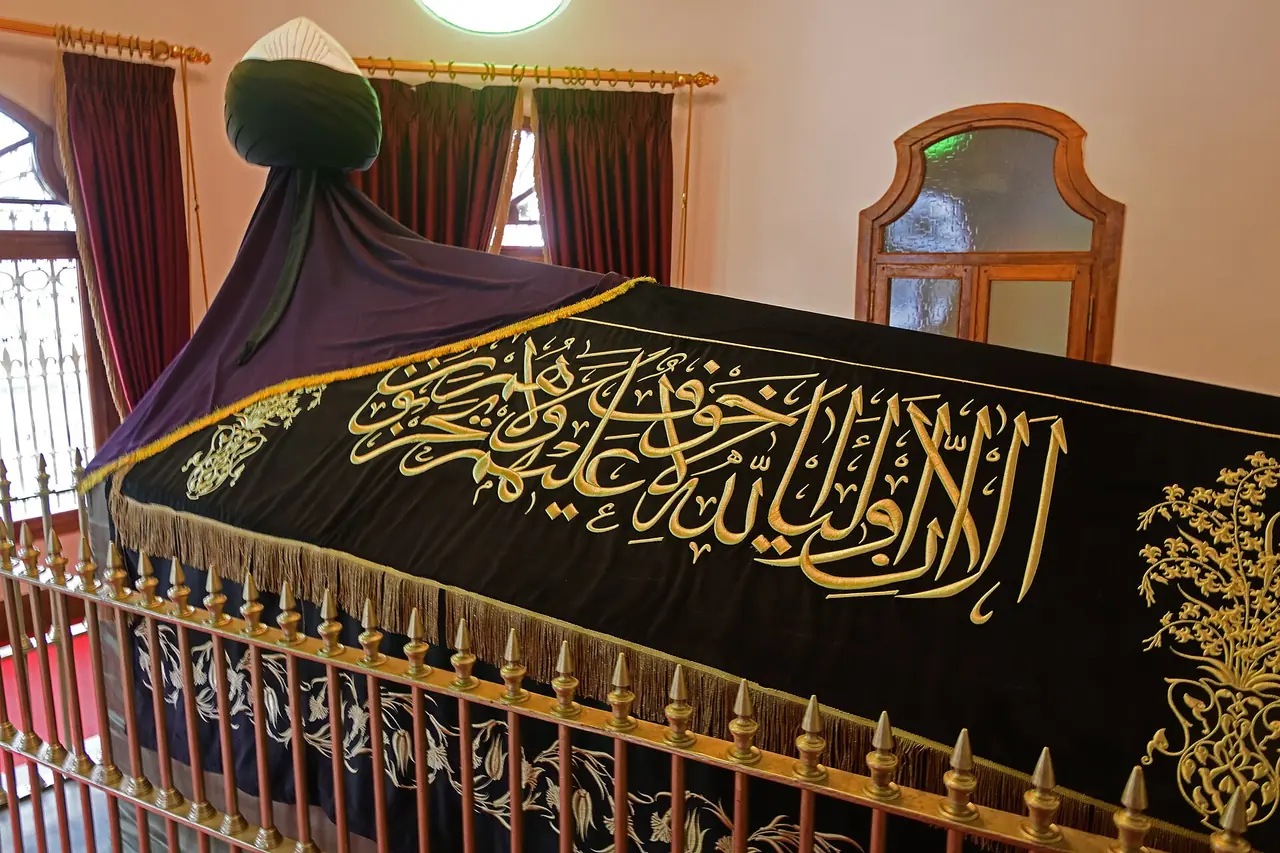
The building began as the Byzantine Orthodox church of Saint Andrew 'in Krisei' (Hagios Andreas en tei Krisei); a monastery on the site goes back to the 5th century, and the standing church was rebuilt in the 1280s by Princess Theodora Raoulaina, niece of Michael VIII Palaiologos, who spent her last years here and was buried in it. Between 1486 and 1491 the kapıcıbaşı and later grand vizier Koca Mustafa Pasha (executed in 1512) converted the church into a mosque under Sultan Bayezid II. Soon afterwards the complex was endowed to dervishes of the Halveti order and led by Sheikh Sümbül Sinan Efendi (d. 1529), founder of the Sünbüliye branch. His türbe beside the mosque became a popular destination for Muslim pilgrims, giving the mosque its second name.
Architecture
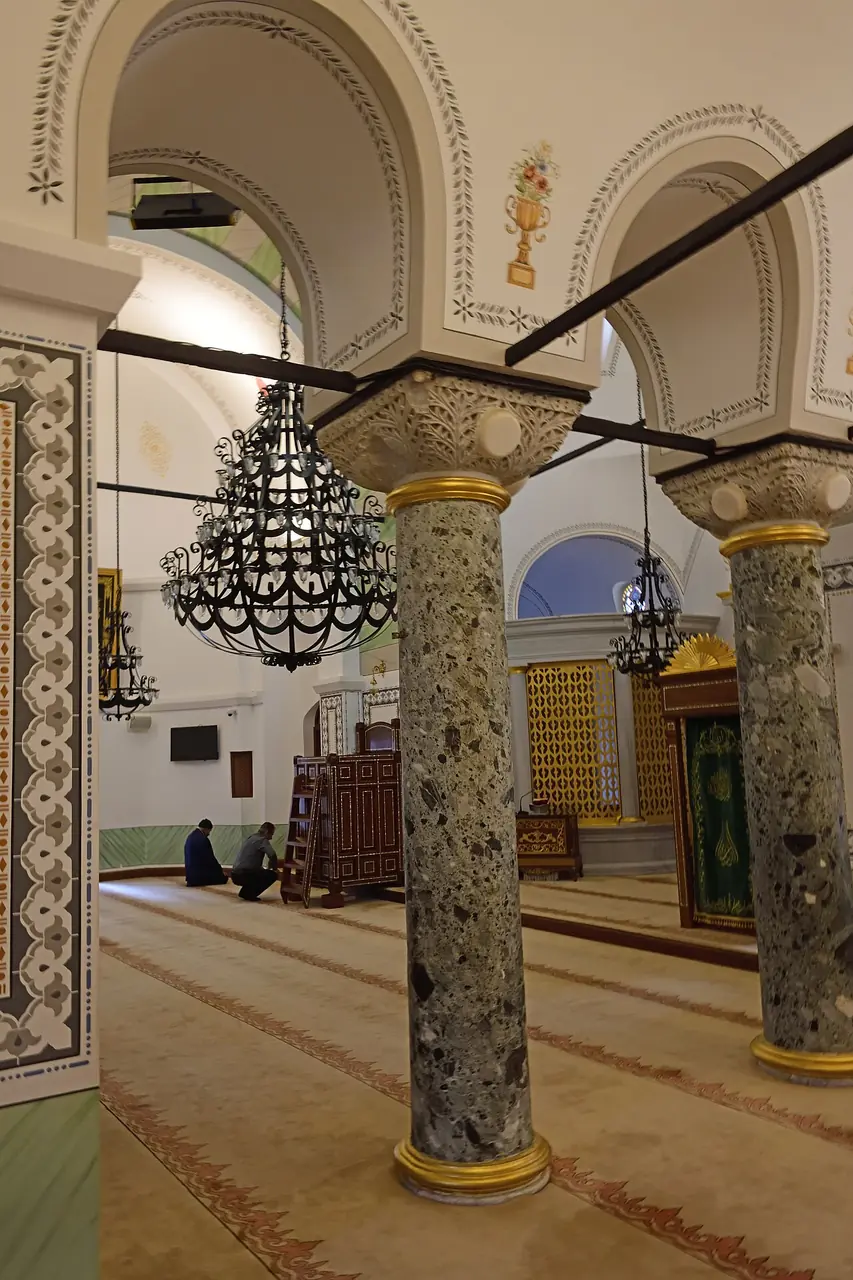
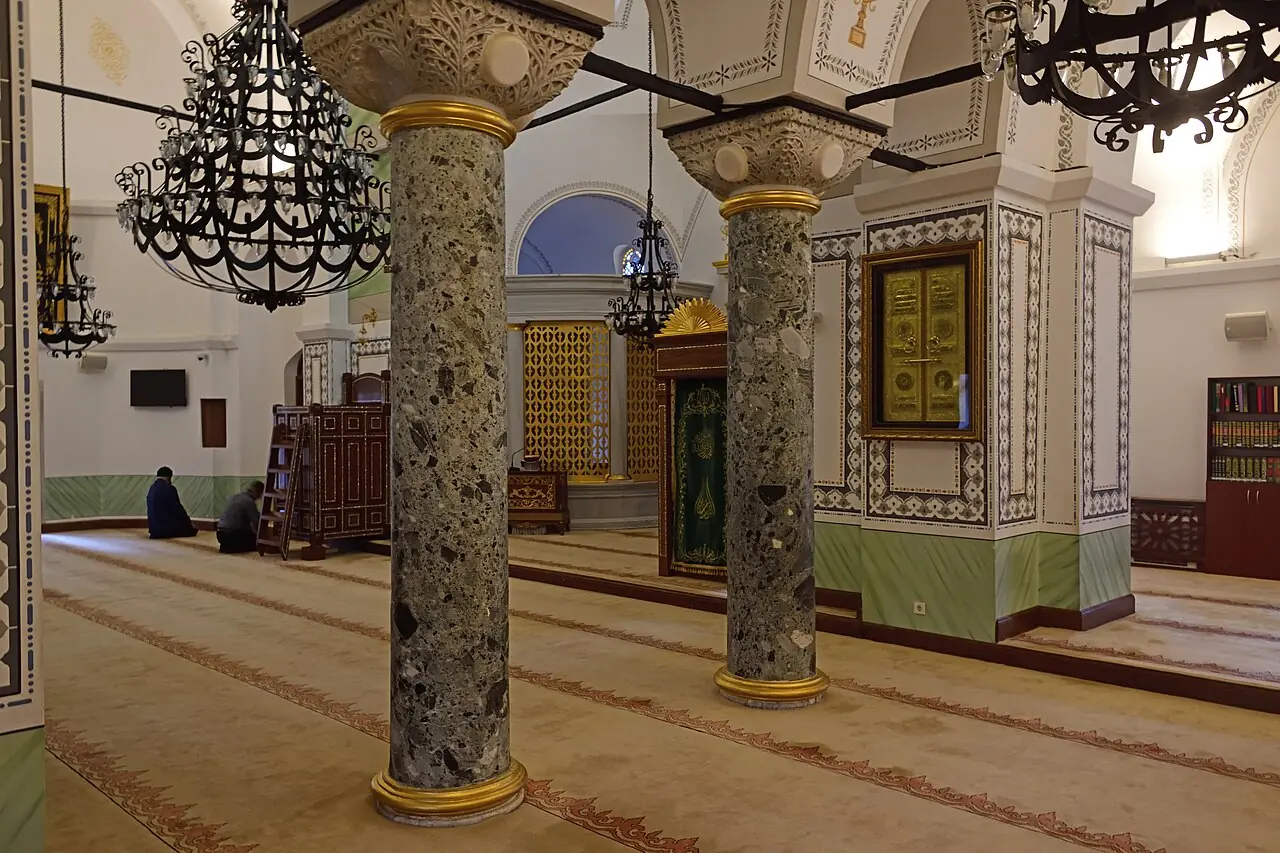
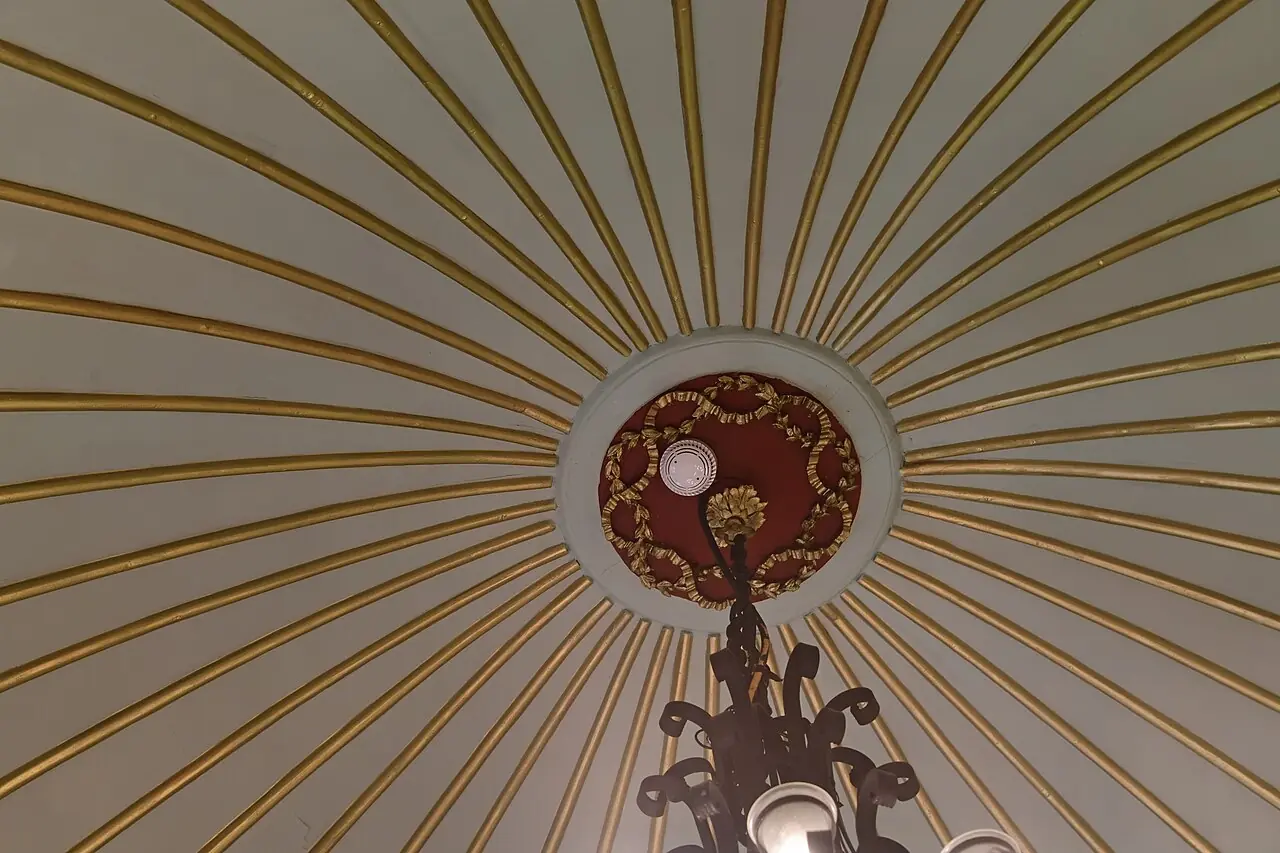
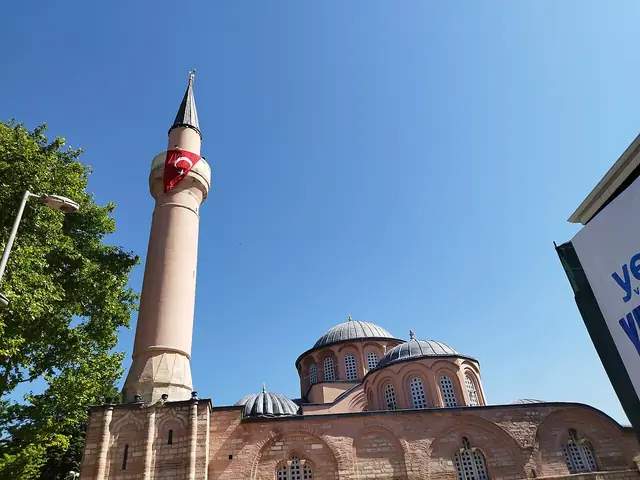
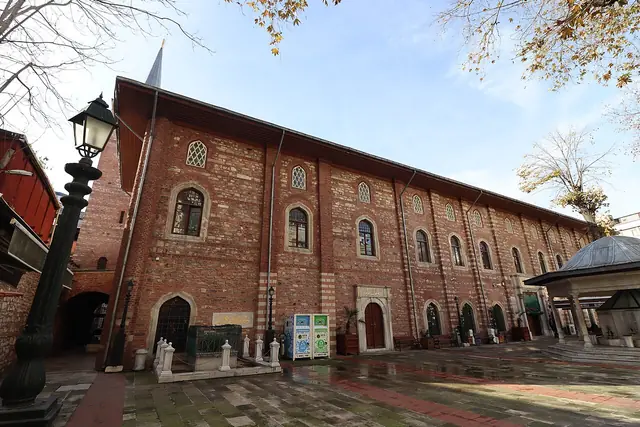
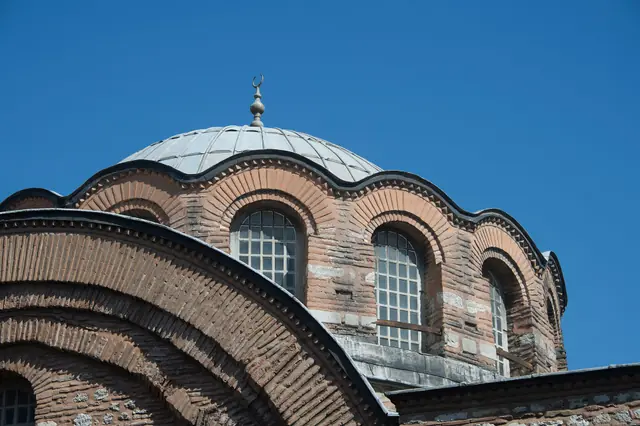
The church is of the ambulatory type: a central dome surrounded on three sides by a vaulted ambulatory, with three apses on the east side. Two narthexes survive on the west — an inner one of three bays and an outer one of five. The dome — circular inside and octagonal outside, on a high drum pierced by eight windows — was rebuilt after the earthquake of 1766. The Ottoman conversion turned the building's axis towards the qibla: the side vaults were replaced by two half-domes on the north and south, a five-domed portico was added on the north, together with the single minaret and a mihrab; from outside only the eastern end with its apses still reads as a church. The masonry is brick and stone.
Facts
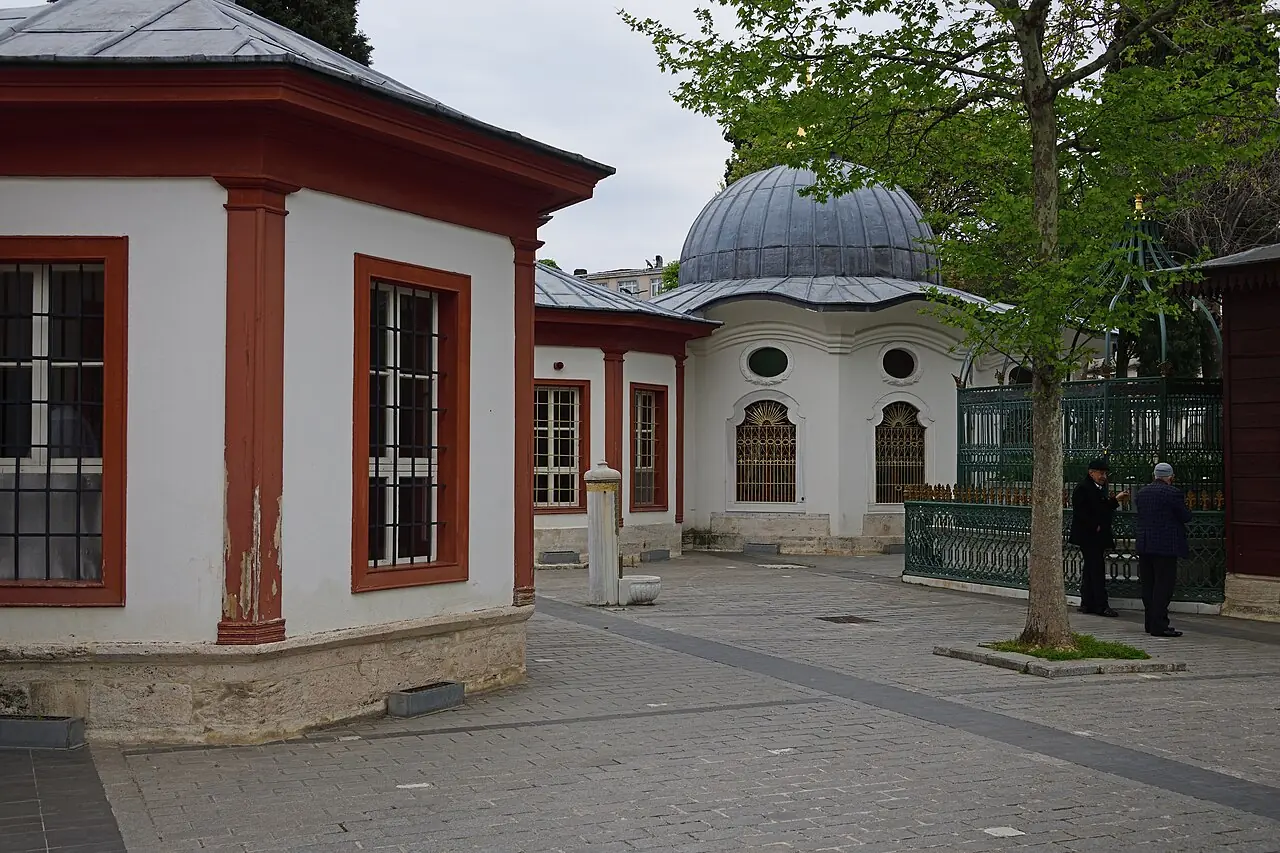
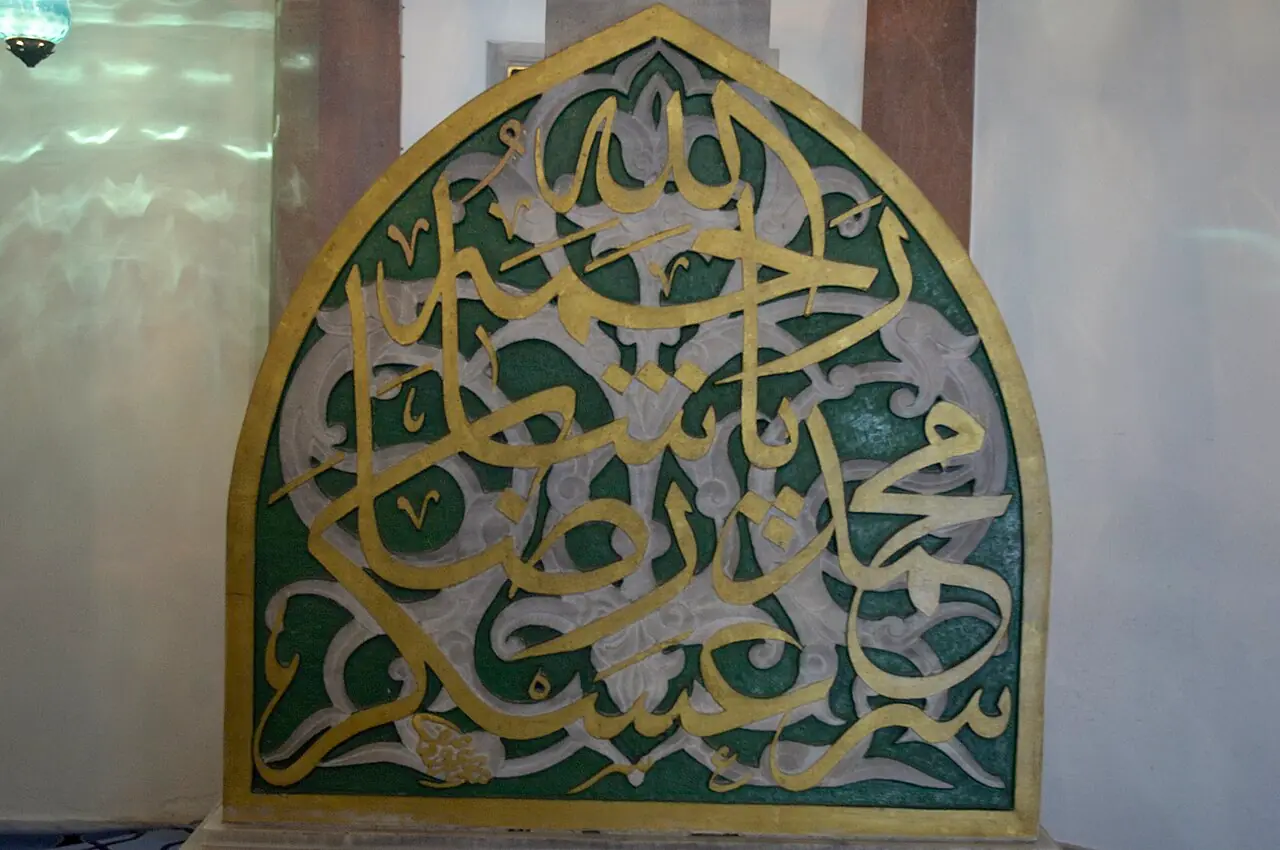
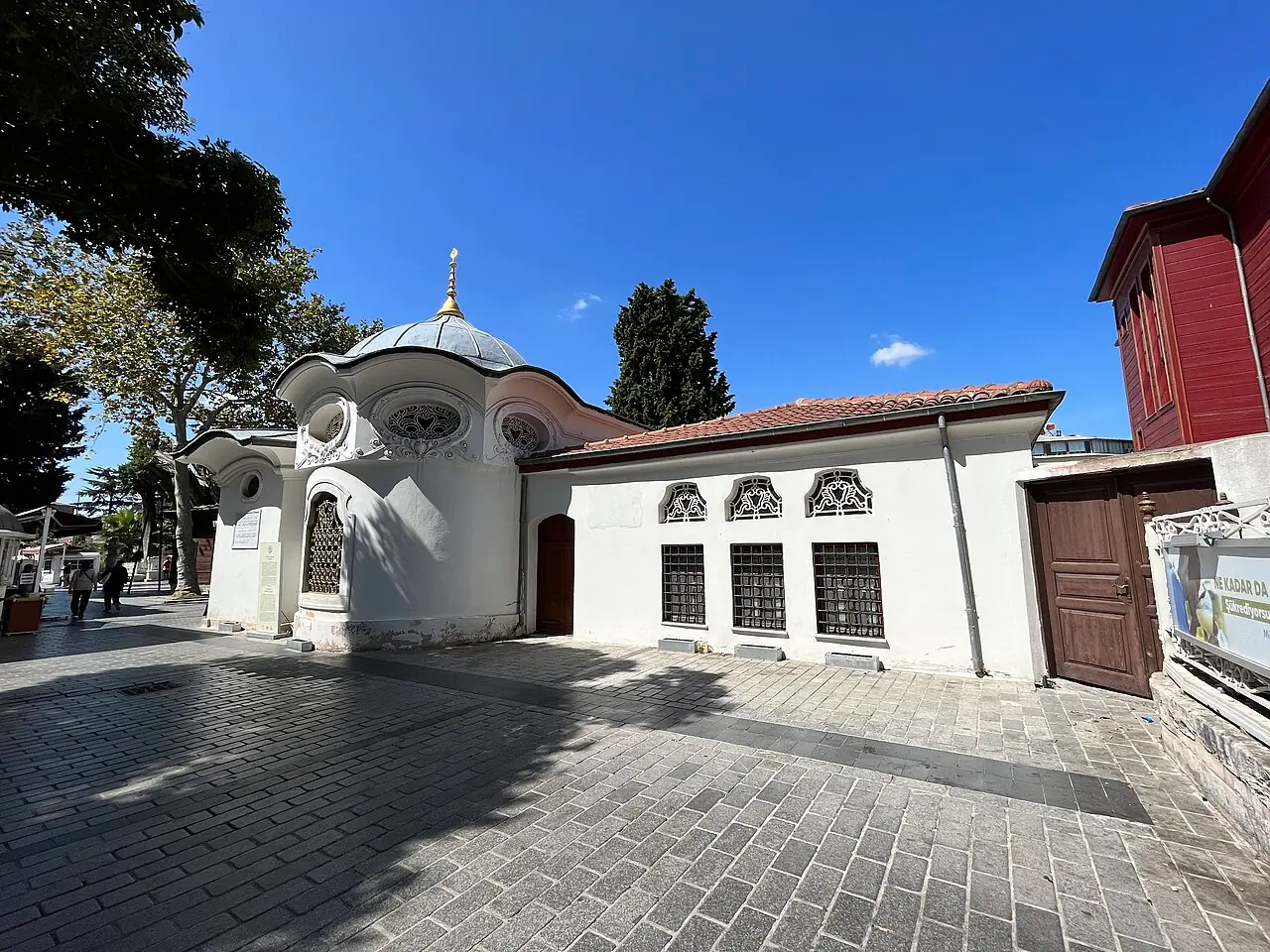
- The courtyard holds the 'Çifte Sultanlar' (Twin Sultanas) tomb, venerated in popular tradition as daughters of Husayn; Sultan Mahmud II had it enclosed with an elegant grille. kulturenvanteri.com
Photographs