Early Ottoman
Yavuz Selim Mosque
1520–1522 · Fatih / Çukurbostan
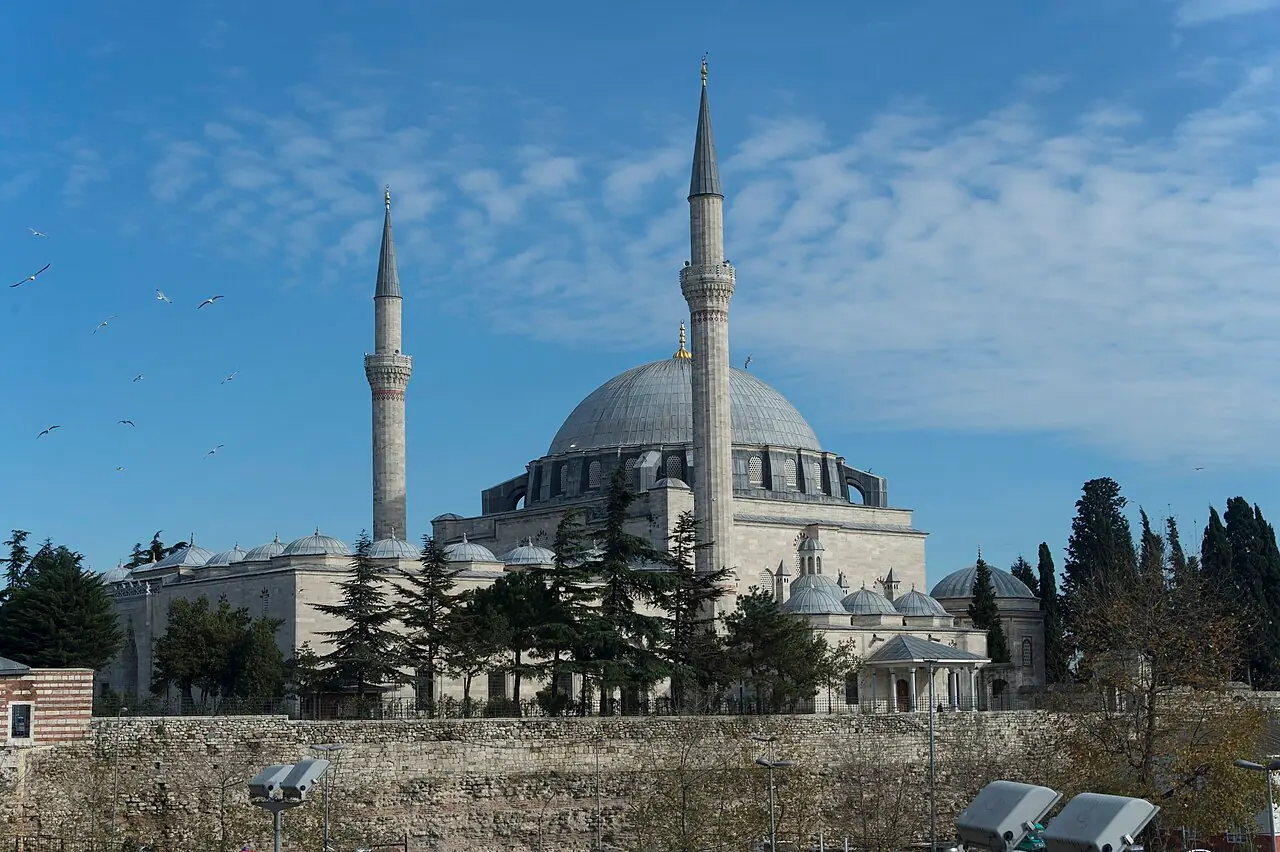
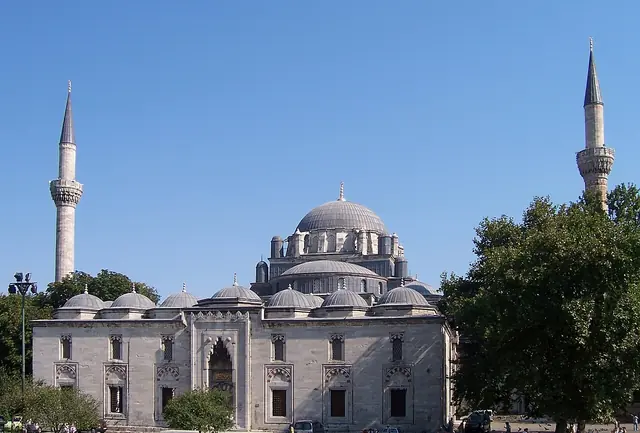
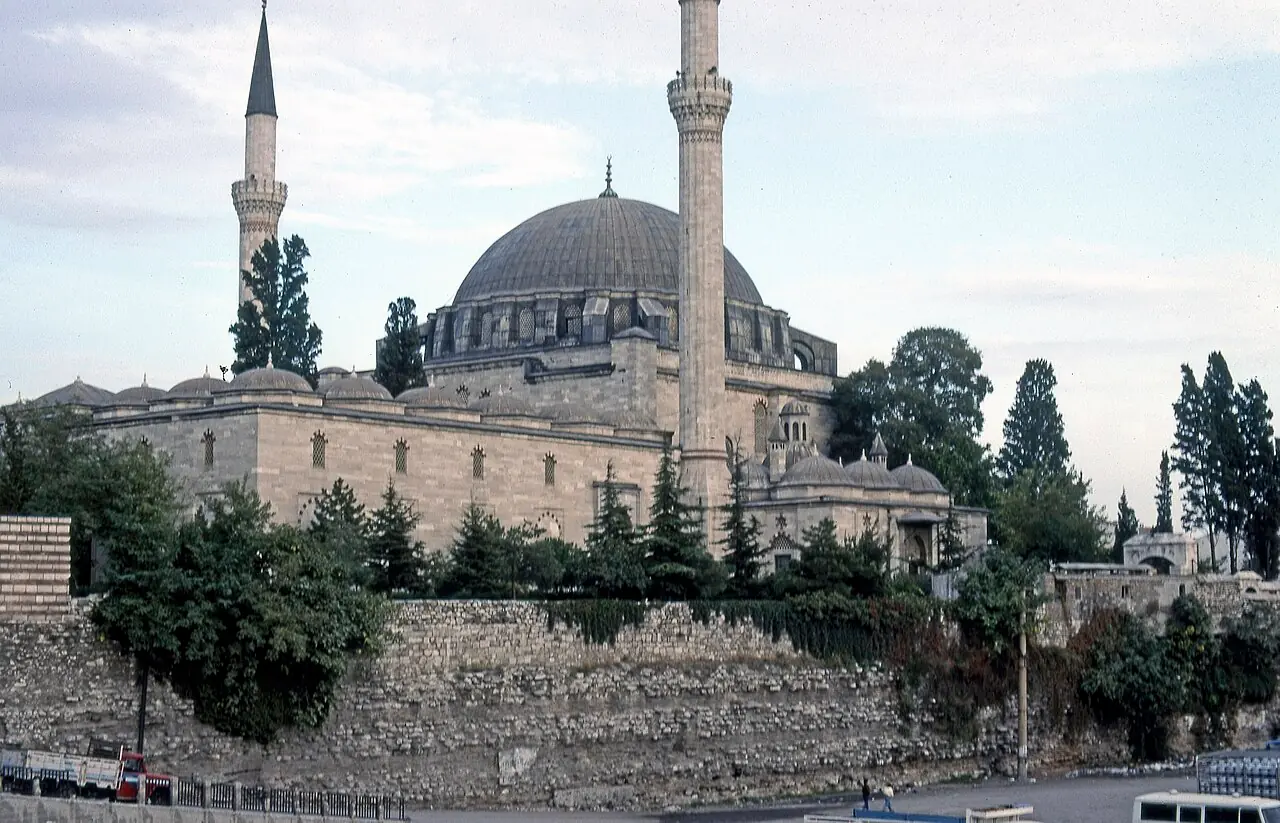
Süleyman the Magnificent's hilltop memorial to his father Selim I, dominating the Golden Horn. A single 24.5 m dome on a square base with no semi-domes — an archaic, monumental pre-Sinan scheme — beside the venerated türbe of Selim I.
- Dome
- 24.5 m
- Height
- 32.5 m
- Minarets
- 2
- Built
- 1520–1522
- Architect
- Acem Ali (Alaüddin)
- Patron
- Süleyman the Magnificent (in memory of his father Selim I)
- District
- Fatih / Çukurbostan
History
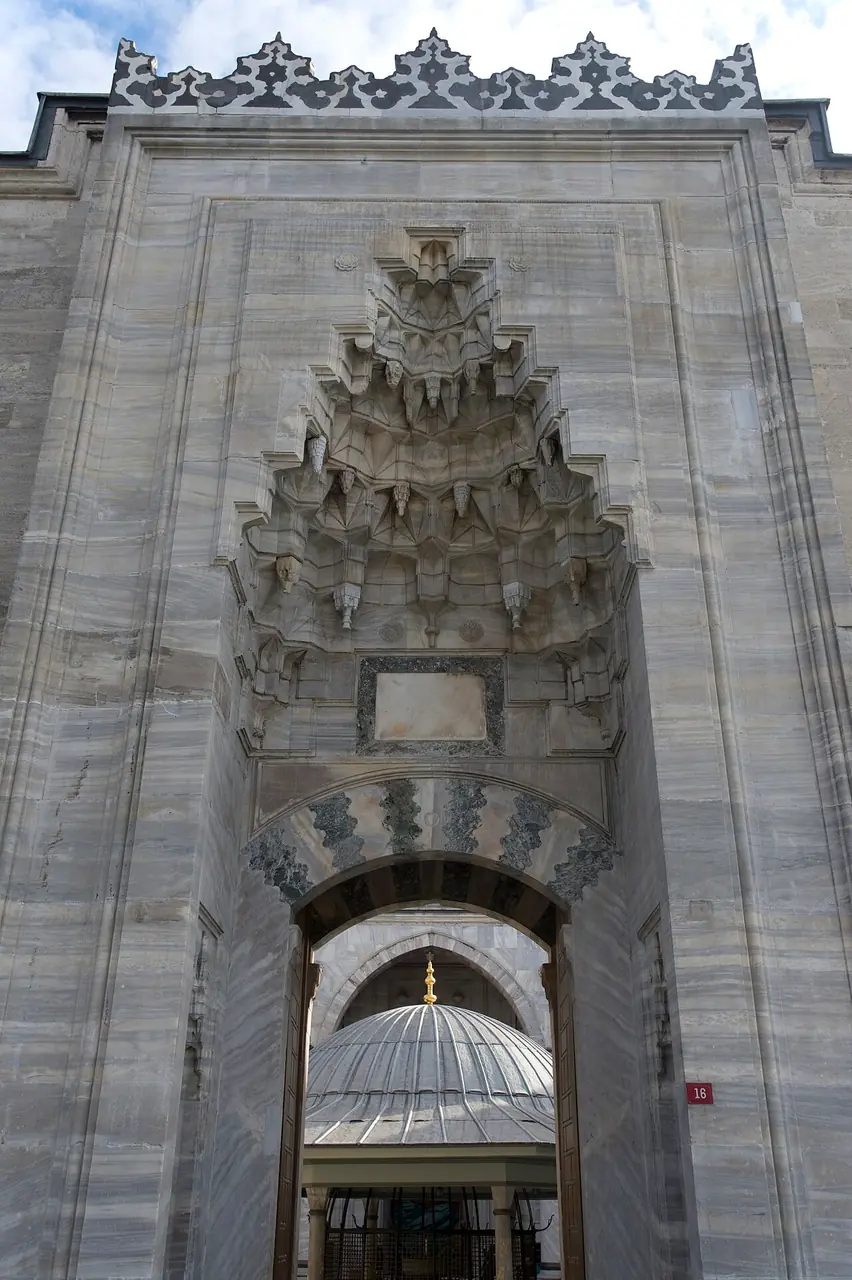
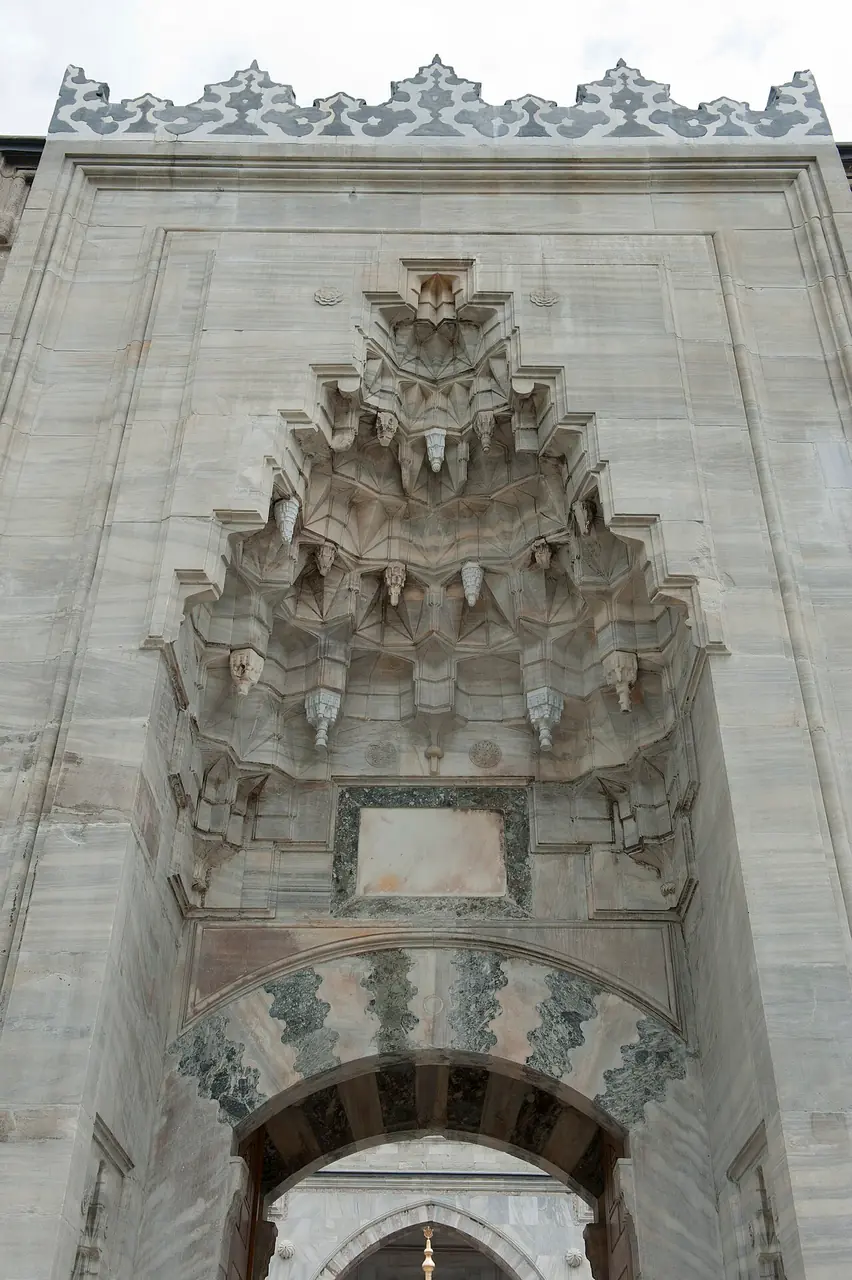
The Yavuz Selim Mosque crowns Istanbul's Fifth Hill beside the Byzantine Cistern of Aspar, dominating the slope down to the Golden Horn. Süleyman the Magnificent founded it at the very start of his reign in memory of his father, Sultan Selim I (Yavuz, 'the Grim'), under whom the empire annexed Syria, Egypt, and the Hejaz. The inscription over the portal dates it to 1522; the architect is held to be the chief court builder Alaüddin, known as Acem Ali ('Persian Ali'), Sinan's predecessor. The türbe of Selim I adjoins the mosque on the east — among the most venerated sultanic tombs in the city. This is the third-oldest of Istanbul's great imperial mosques and a key early-classical monument before Sinan's ascendancy.
Architecture
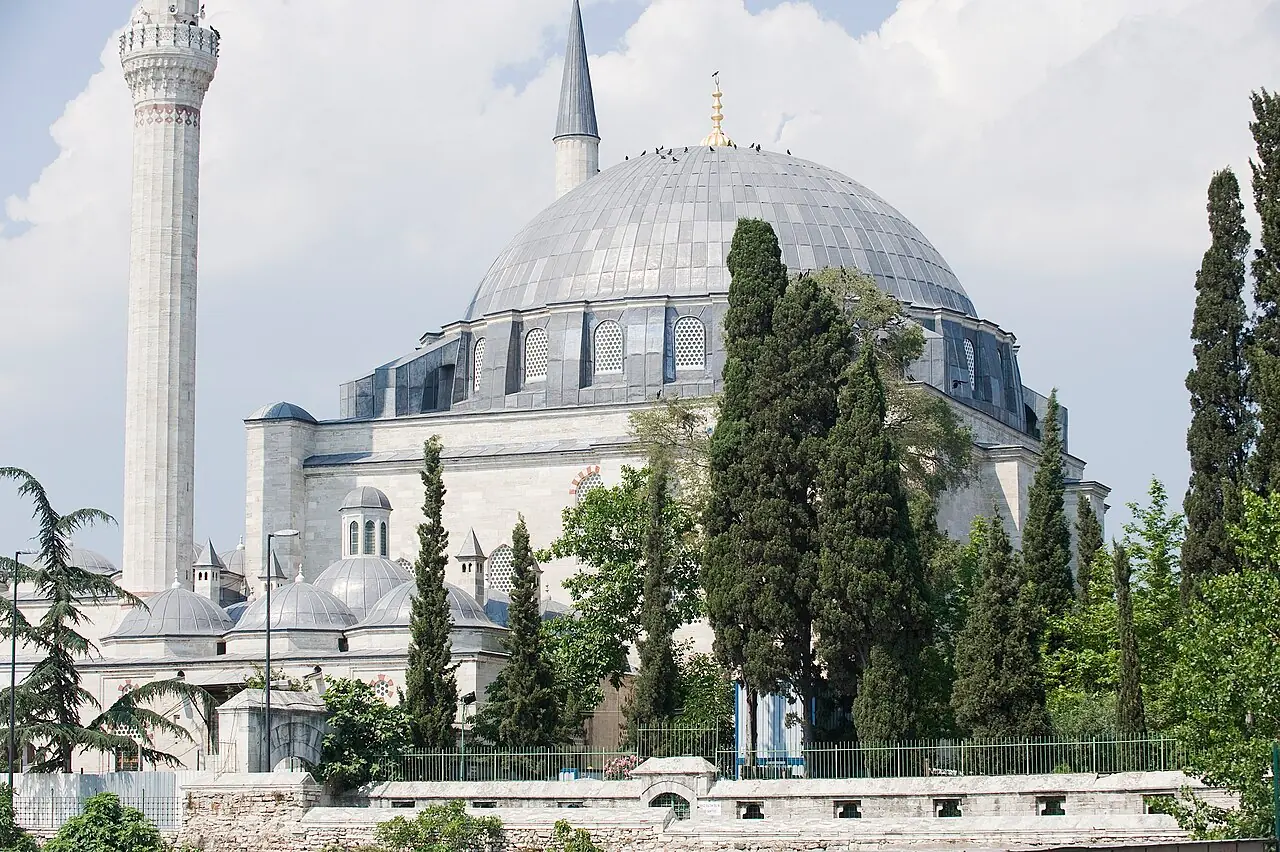
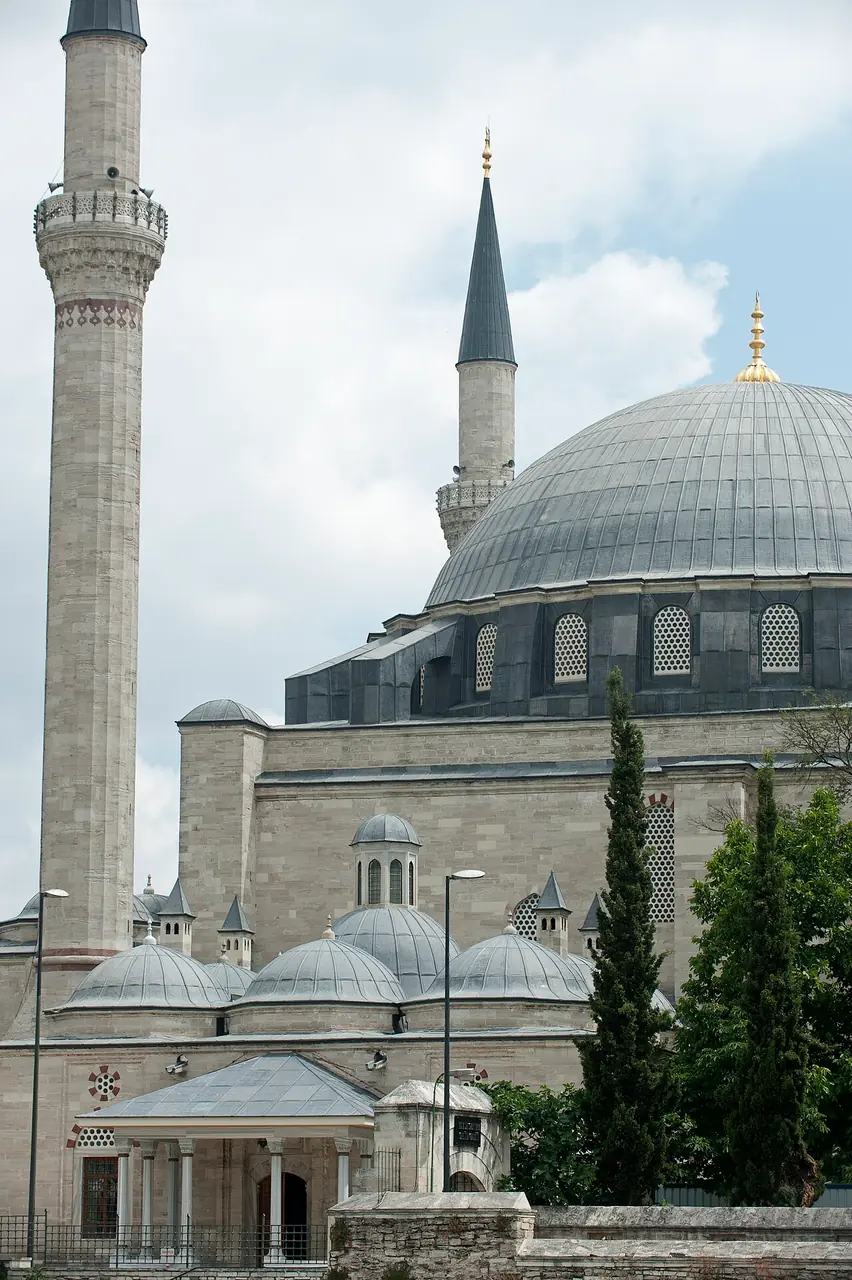
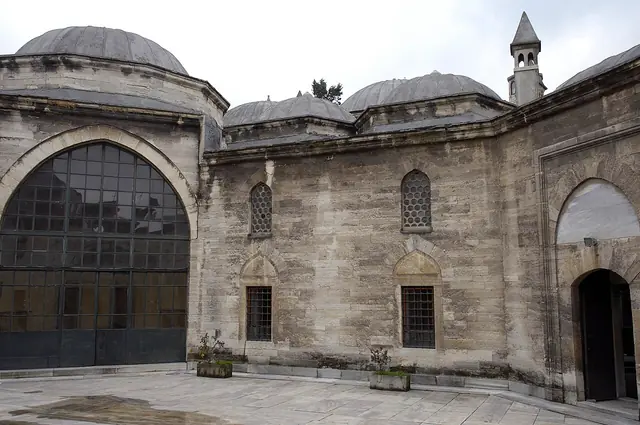
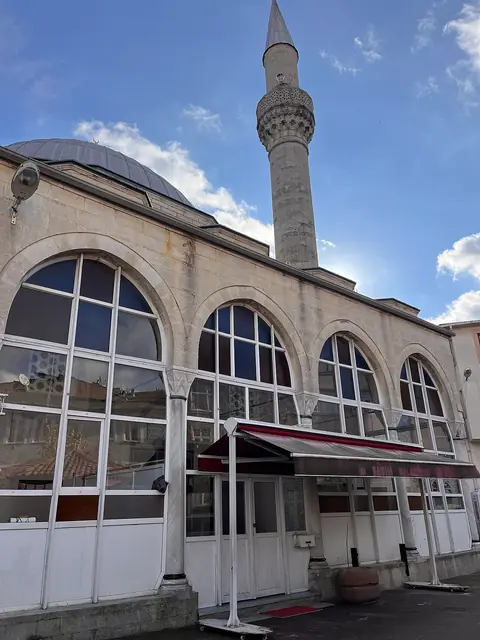
The prayer hall is covered by a single broad dome 24.5 m in diameter (about 32.5 m high) resting on a square base with no semi-domes — an archaic, monumentally simple scheme descending from the early Ottoman mosques of Bursa and Edirne. Two slender minarets. A large portico fronts the hall, opening onto a spacious colonnaded courtyard with a central ablution fountain. The decoration is comparatively restrained; the cuerda seca tile panels in the lunettes above the windows were almost certainly made by Iranian craftsmen working for the Ottoman court. Its hilltop position and plain, massive dome make the silhouette one of the most recognisable on the Golden Horn panorama.
Photographs