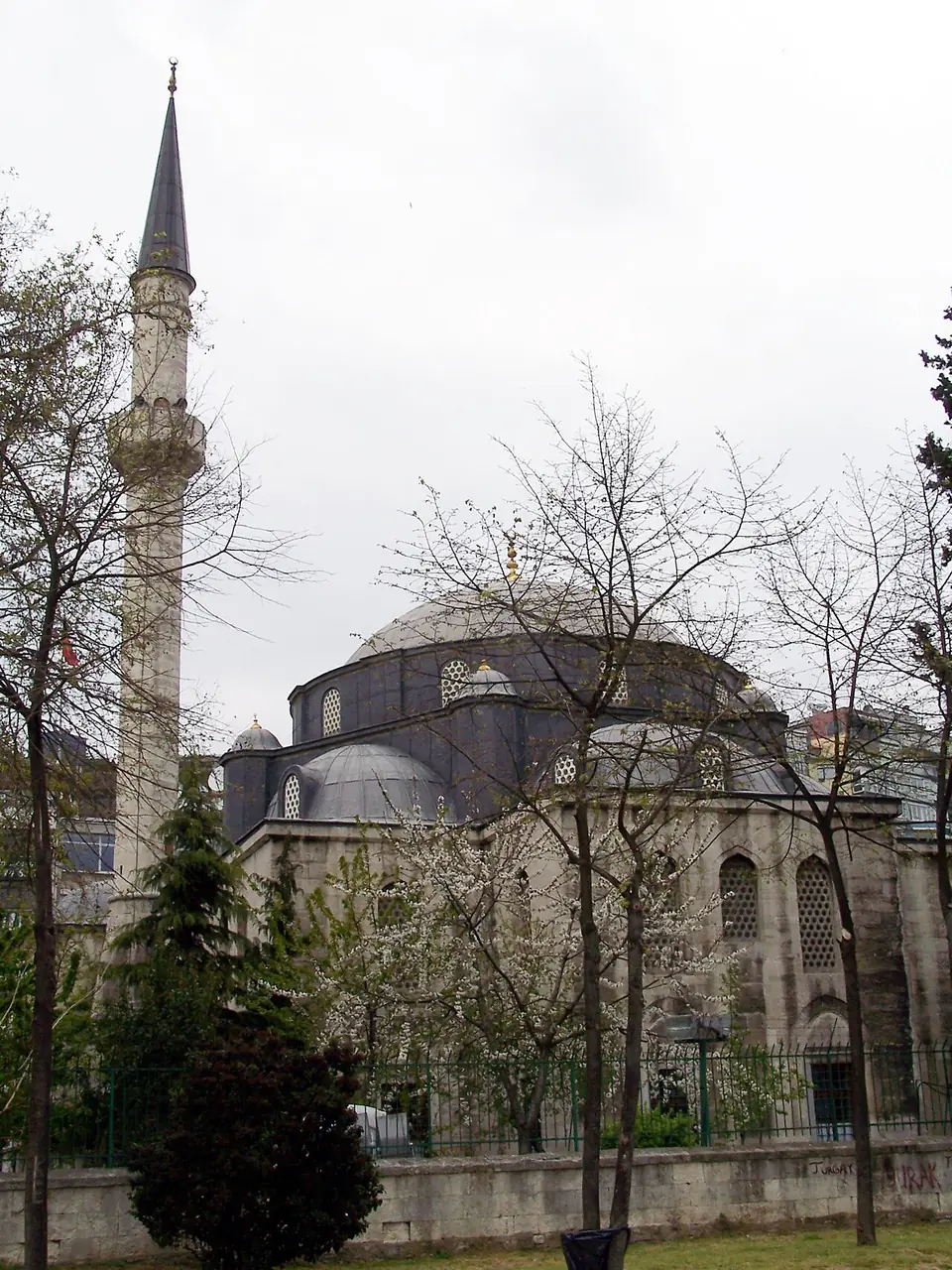
Sinan / Classical
Molla Çelebi Mosque
1561–1584 · Beyoğlu / Fındıklı
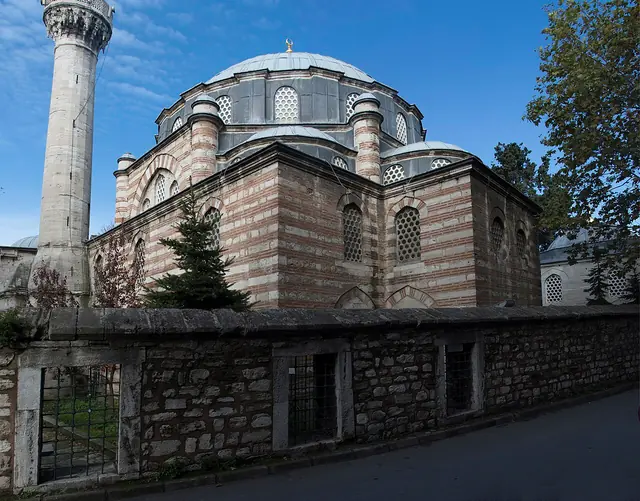
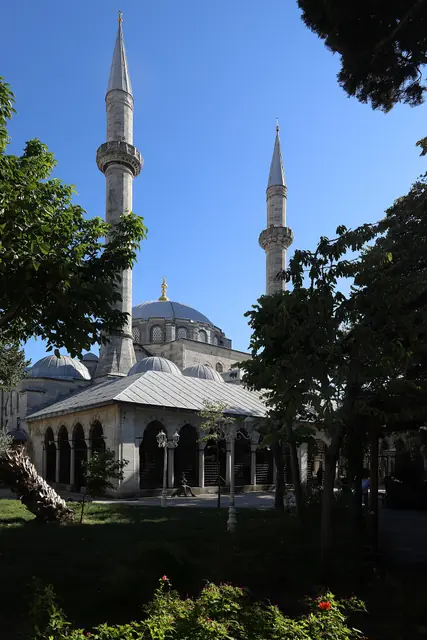
Hexagonal six-pier baldaquin supporting an 11.80 m dome, placed directly on the Bosphorus waterfront in Fındıklı — one of Sinan's most compact structural experiments.
- Dome
- 11.8 m
- Minarets
- 1
- Built
- 1561–1584
- Architect
- Mimar Sinan
- Patron
- Mehmet Vusuli Efendi (Molla Çelebi), Kazasker of Anatolia
- District
- Beyoğlu / Fındıklı
History
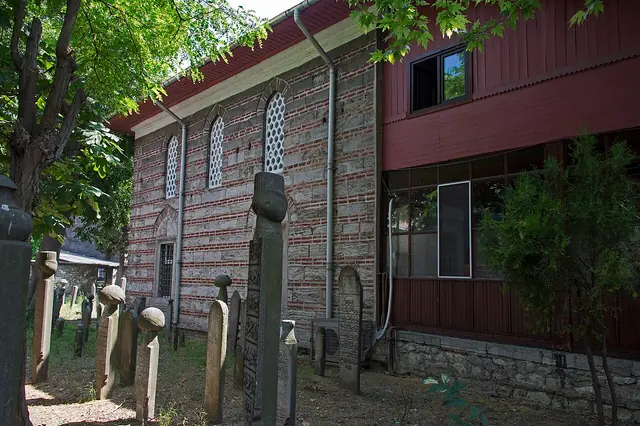
The Molla Çelebi Mosque was commissioned by Mehmet Vusuli Efendi, Kazasker (chief military judge) of Anatolia, known by his honorific title 'Molla Çelebi' — from which the mosque takes its name. He died in 1590 and was buried in his türbe in Eyüp. The original külliye included a hamam, a primary school (sıbyan mektebi), and a cemetery enclosure (hazirah) in addition to the mosque. The hamam is dated by a chronogram to 1561–62, and the mosque was completed then or shortly after; the hamam was demolished in 1957 during coastal road-widening works.
Architecture
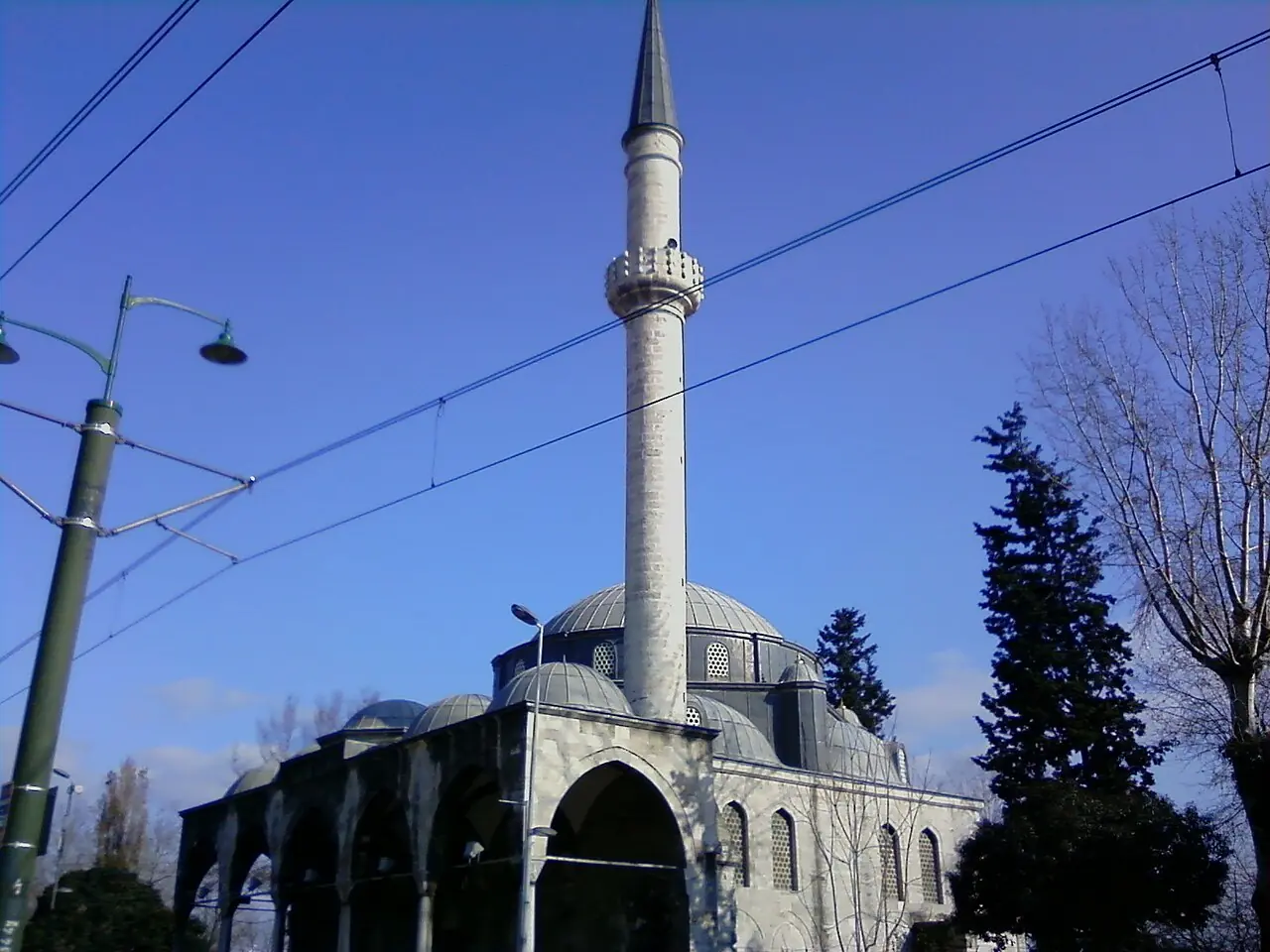
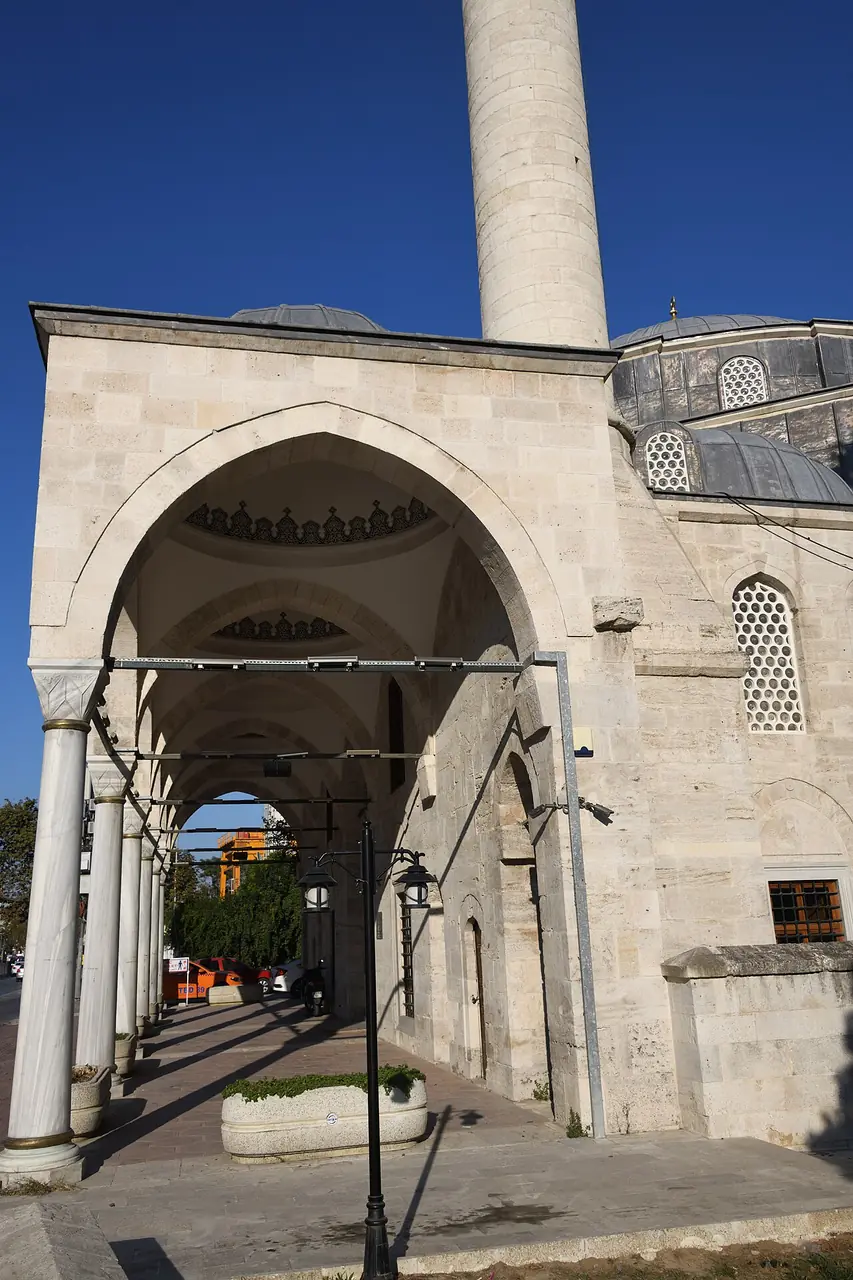
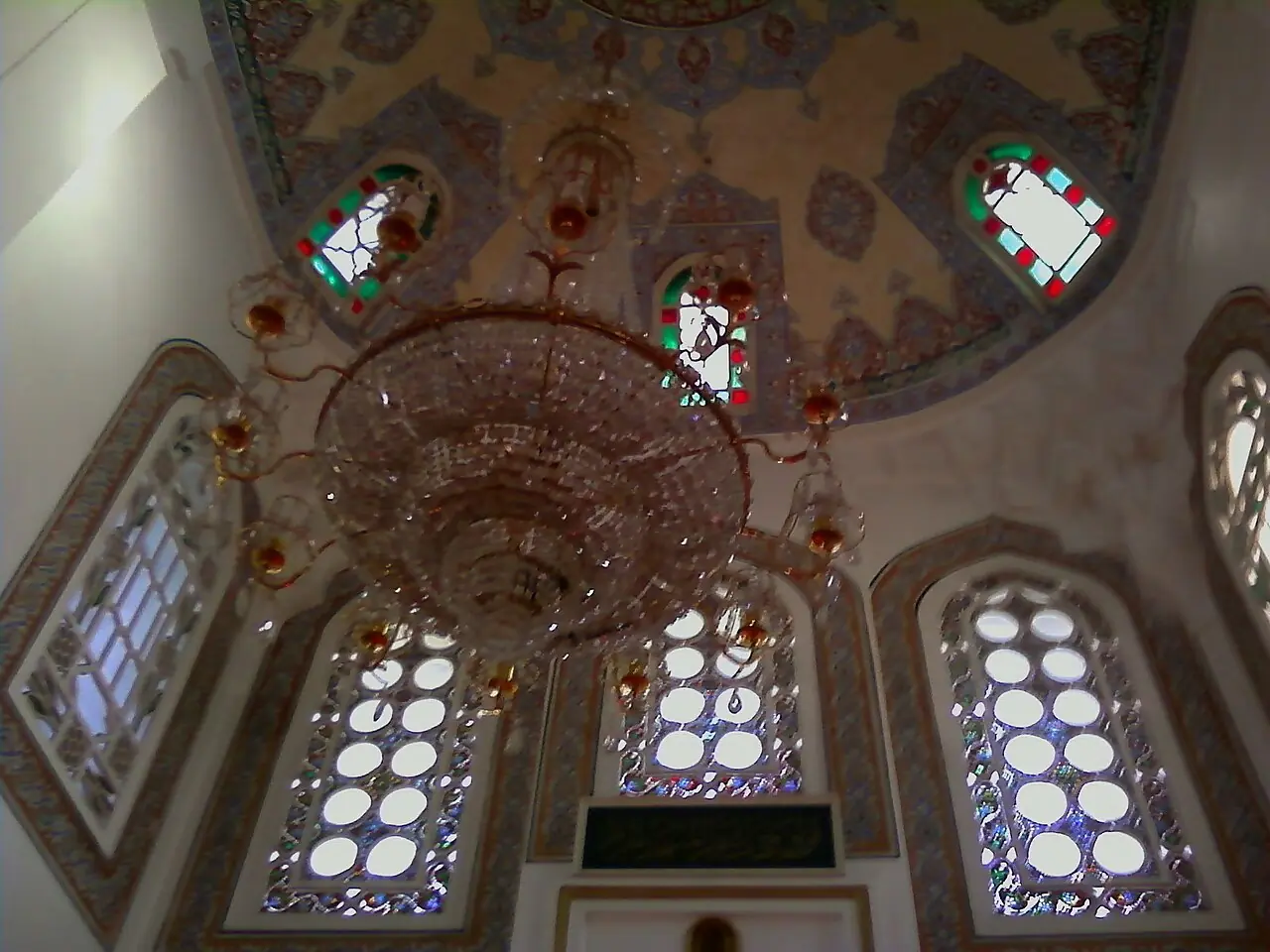
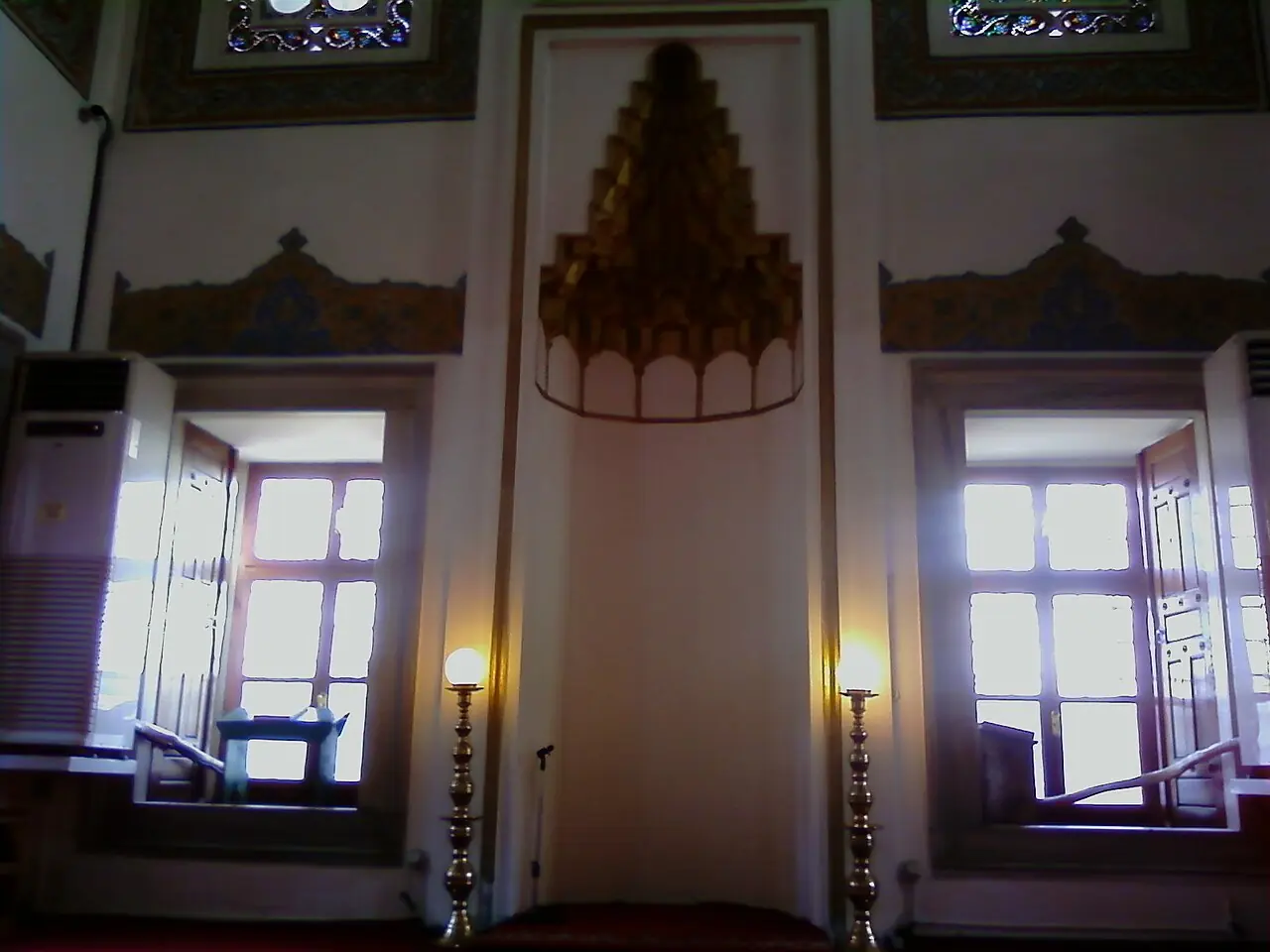
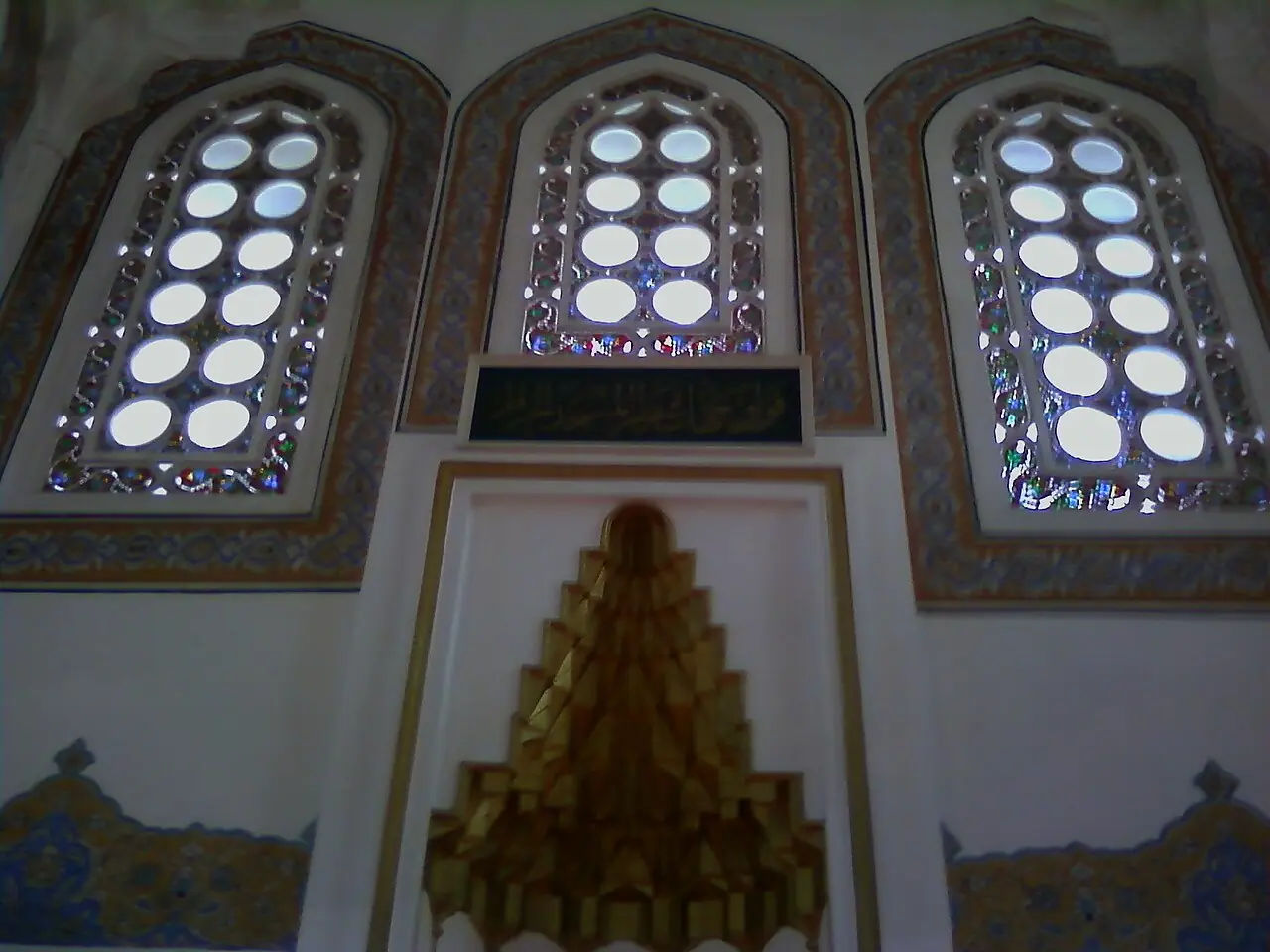
Sinan designed the mosque on a hexagonal plan: six piers arranged in a hexagon support a central dome of 11.80 m in diameter, surrounded by five semi-domes on every side but the entrance. The semi-dome over the mihrab is deeper than the rest, so the mihrab niche projects outward. The interior prayer space is divided into two sections — a main hall (18.90 × 16.40 m) and a mihrab projection (8.80 × 4.60 m). The mosque stands directly on the Bosphorus waterfront in the Fındıklı quarter, along Meclis-i Mebusan Avenue.
In Sinan's evolution
Hexagonal baldaquin experiment of the early 1560s. Shares the six-pier structural type with the Sinan Pasha Beşiktaş mosque (1555, earliest example) and Kara Ahmed Pasha (1565–72).
Sinan Tree →Photographs