Sinan / Classical
Mihrimah Sultan Mosque, Üsküdar / İskele Mosque
1543–1548 · Üsküdar
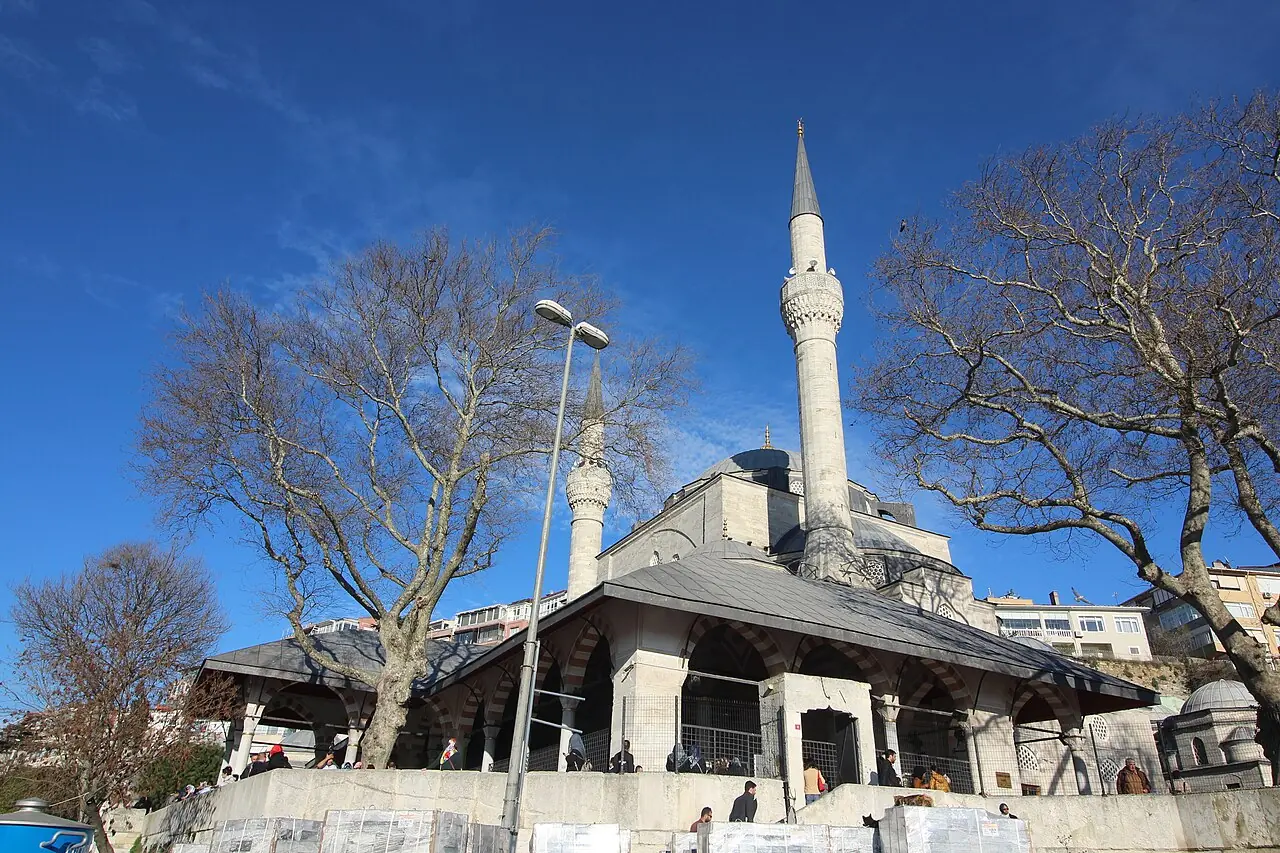
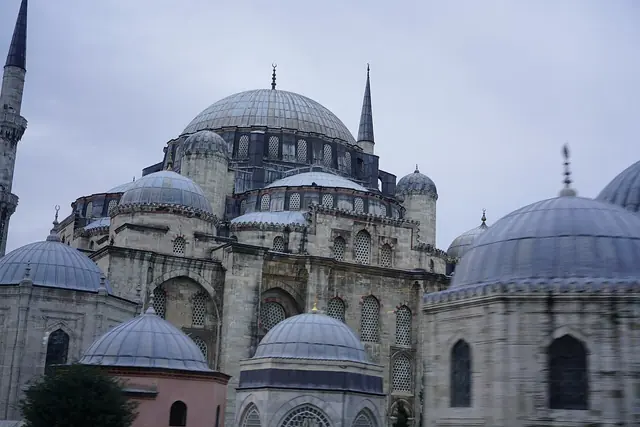
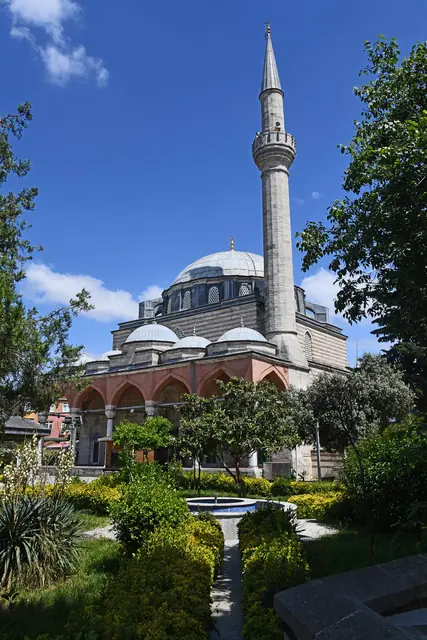
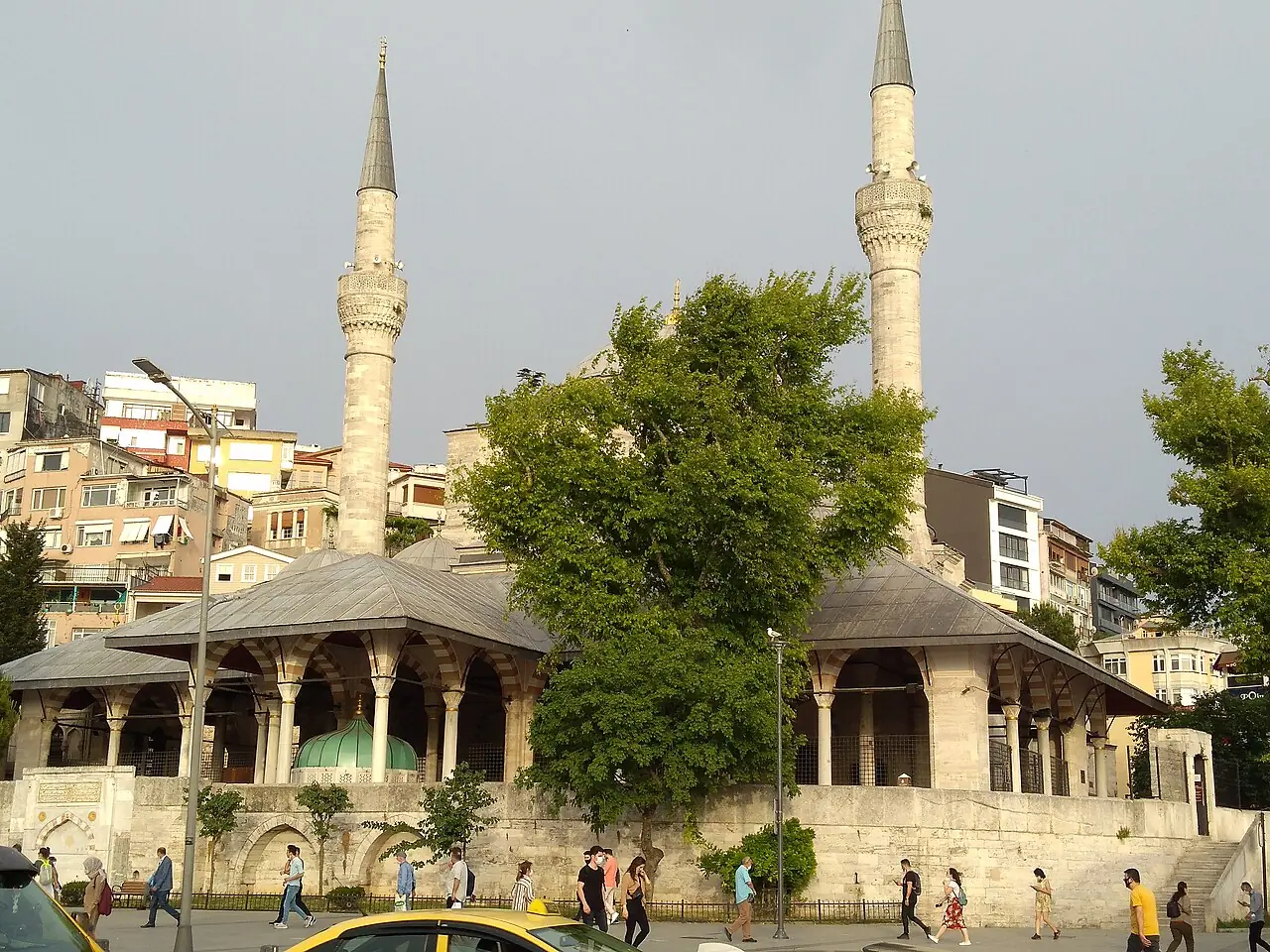
Three semi-domes instead of Şehzade's four, most likely because of the sloping site. Its two minarets were a distinction normally reserved for sultans' mosques.
- Dome
- 10 m
- Height
- 24.2 m
- Minarets
- 2
- Built
- 1543–1548
- Architect
- Mimar Sinan
- Patron
- Mihrimah Sultan (daughter of Suleiman the Magnificent, wife of Grand Vizier Rüstem Pasha)
- District
- Üsküdar
History
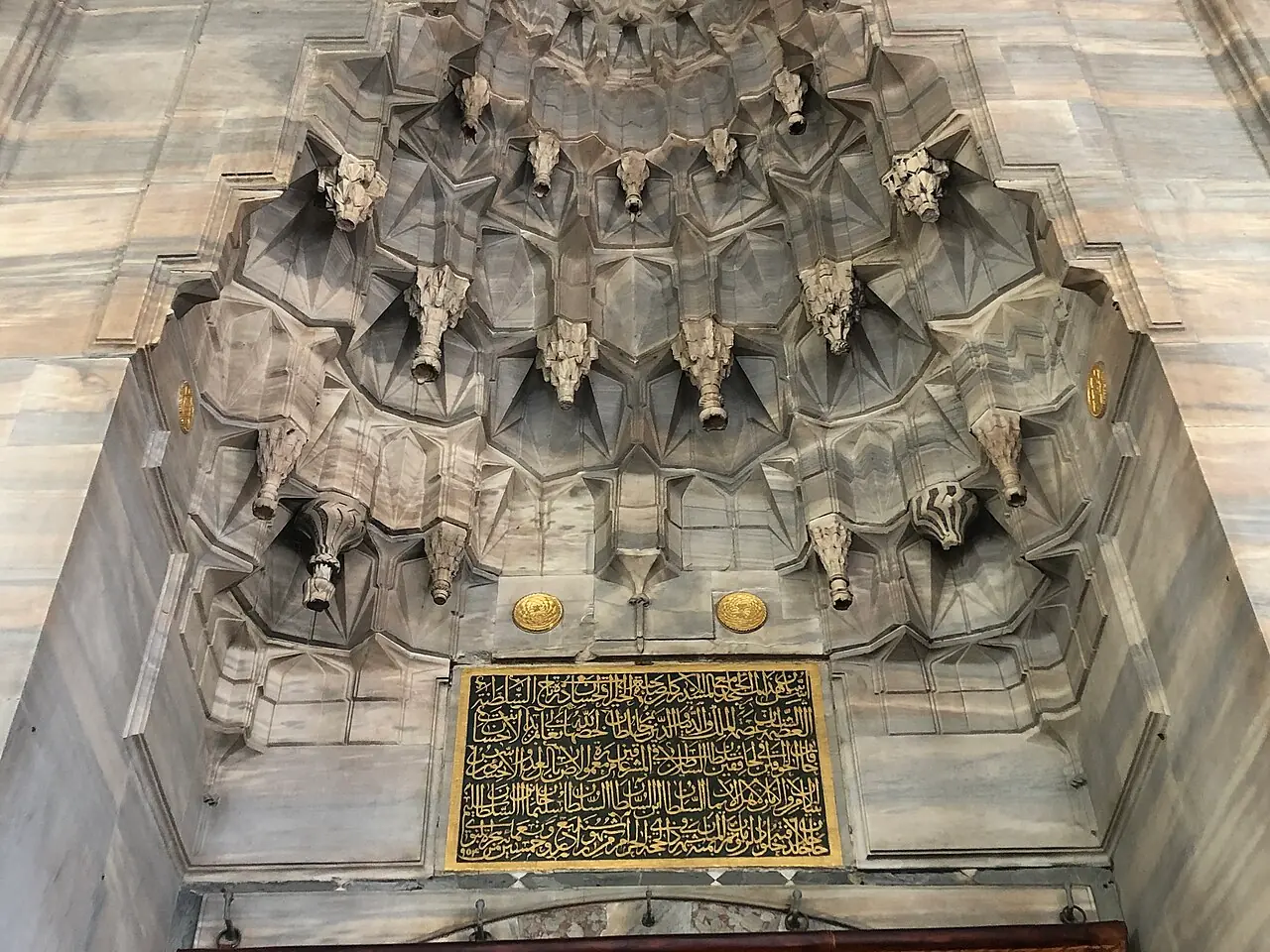
The Mihrimah Sultan Mosque in Üsküdar is the earlier of two Istanbul mosques commissioned by Mihrimah Sultan, daughter of Suleiman the Magnificent and Hürrem Sultan. Construction ran from 1543 to 1548; an inscription above the entrance gate dates its completion to early 1548. Sinan was simultaneously building the Şehzade Mosque on the historical peninsula and completed both complexes in 1548. The külliye sits directly on the Üsküdar ferry landing on the Asian shore of the Bosphorus — Sinan factored in its waterfront setting in the design. The original complex comprised a mosque, madrasa, soup kitchen, hospice, primary school, and caravanserai; the mosque, madrasa, and primary school building (now a children's library) survive.
Architecture
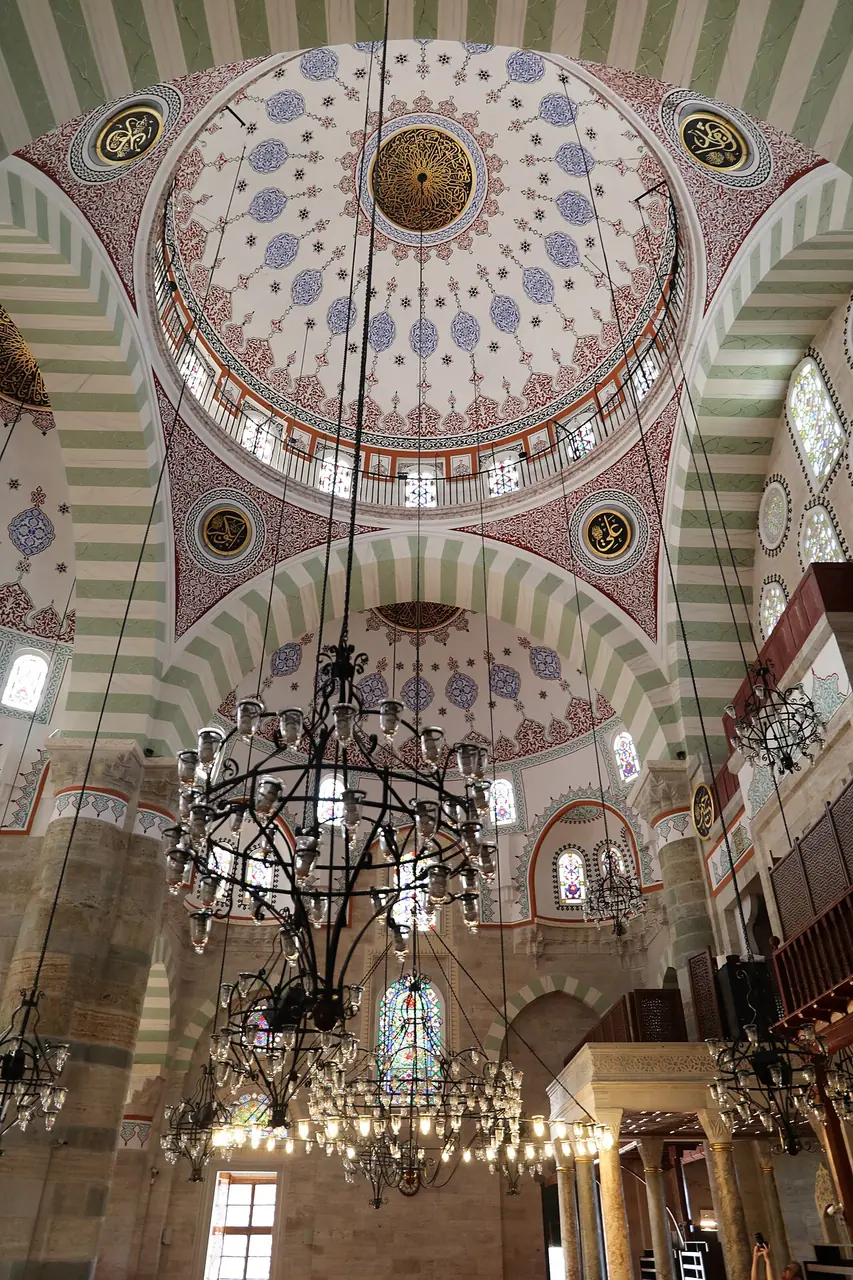
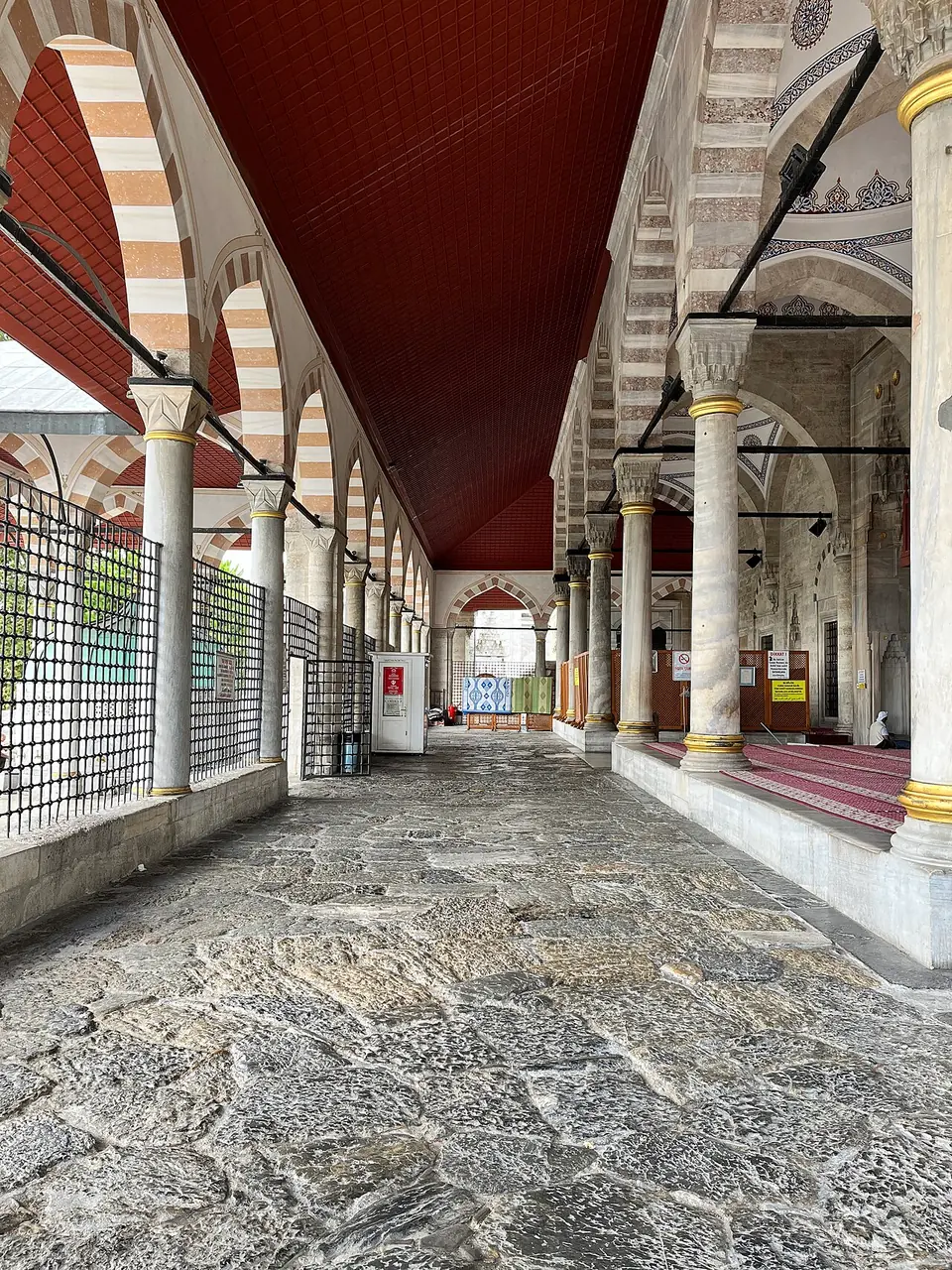
The rectangular prayer hall is roofed by a central dome approximately 10 m in diameter (c. 11.4 m outer diameter) and 24.2 m high. The dome is supported by three semi-domes — one on each lateral side and one on the qibla side — while the north face, towards the Bosphorus, has none. Sixteen windows pierce the drum. Two slender minarets with single balconies rise from the north-west and north-east corners of the prayer hall; a marble sundial plaque of 1769 is fixed to the outer face of the west wall where it meets the qibla wall. The mosque stands on a raised platform; a broad double portico with a marble ablutions fountain precedes the entrance.
In Sinan's evolution
Earliest period — contemporary with Şehzade (both completed 1548). Sinan's first work on the Asian side of Istanbul. Semi-domes on three sides only — the Şehzade scheme adapted to the slope, showing Sinan's sensitivity to topography from the very start of his imperial career.
Sinan Tree →Facts
- A marble sundial plaque of 1769 by the court timekeeper Saatîzâde Muhammed Ârif is fixed to the outer face of the west wall where it meets the qibla wall; its metal gnomon survives intact. yuzaki.com
Photographs