Sinan / Classical
Kara Ahmed Pasha Mosque
1565–1572 · Fatih / Topkapı quarter
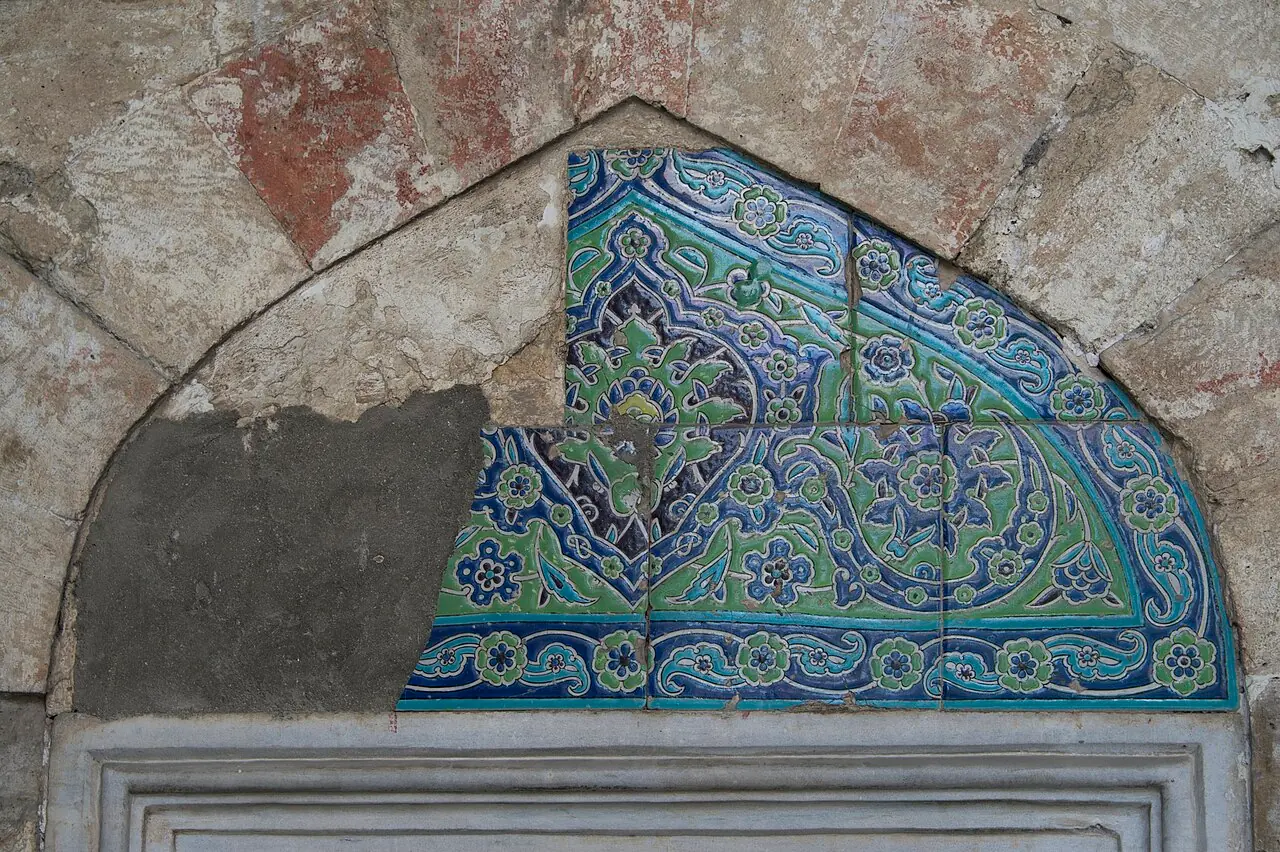
Last imperial building in Istanbul decorated with cuerda seca tilework (apple-green and yellow on the porch), and the dramatic posthumous biography of its patron: a Grand Vizier who was Suleiman's brother-in-law, executed in 1555, whose half-built mosque was resumed in 1565.
- Dome
- 12 m
- Minarets
- 1
- Built
- 1565–1572
- Architect
- Mimar Sinan
- Patron
- Kara Ahmed Pasha
- District
- Fatih / Topkapı quarter
History
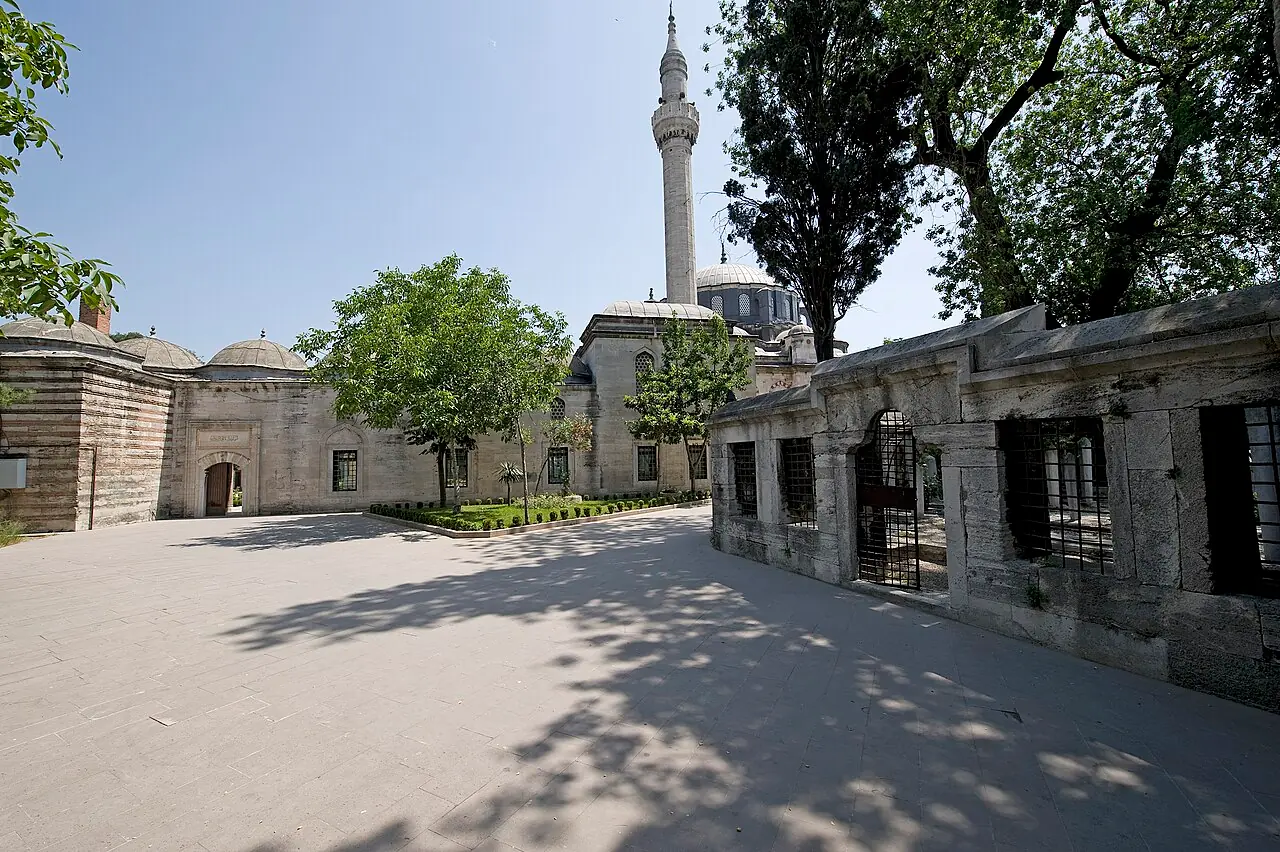
The mosque was commissioned by Kara Ahmed Pasha, who was married to Fatma Sultan — daughter of Selim I and thus the sister of Suleiman the Magnificent, making the patron Suleiman's brother-in-law. Kara Ahmed Pasha was appointed Grand Vizier in 1553 but was executed by strangulation in 1555, likely at the instigation of his rival Rüstem Pasha. His endowment deed dates from July 1555; after his execution that September the works stopped, to be resumed in 1565 and completed seven years later. The complex included a mosque, madrasa, dervish convent (zawiye), hospice (tabhane), and primary school (mekteb).
Architecture
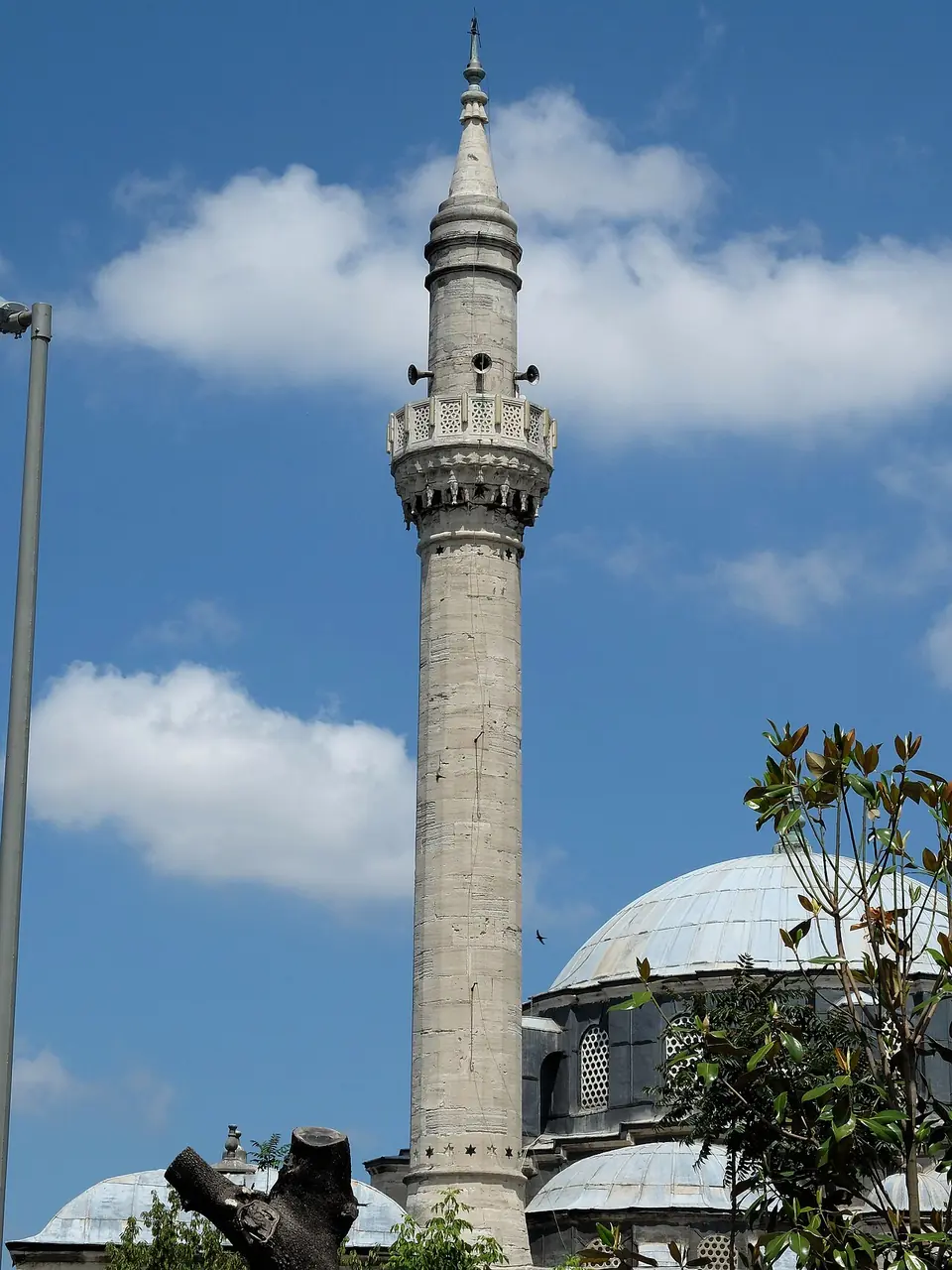
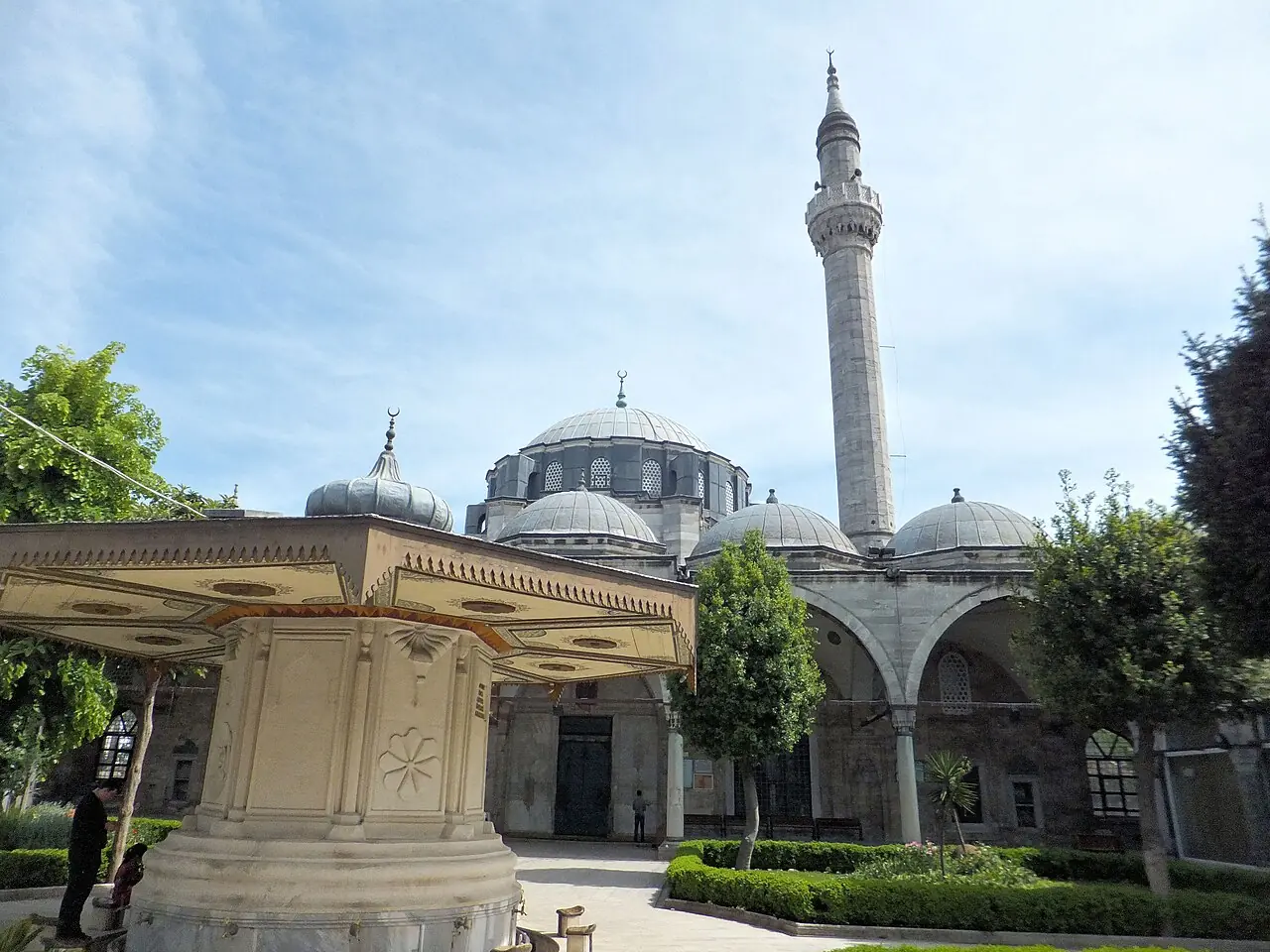
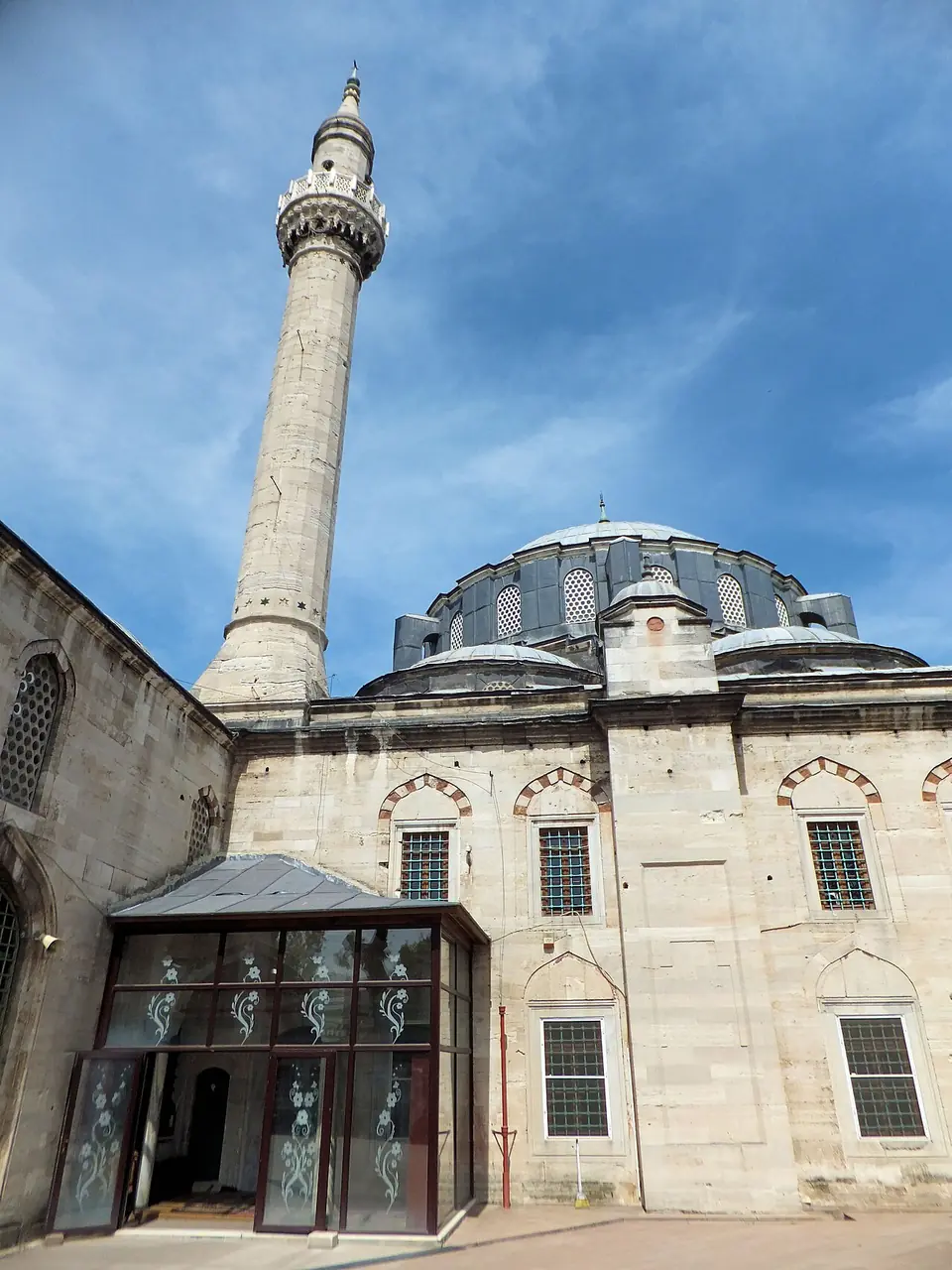
The prayer hall is a rectangle with a central dome of 12 m diameter carried by six columns arranged in a hexagon: two by the mihrab wall, two by the entrance and two standing free in the middle of the hall. Four semidomes surround the dome. Three galleries line the interior; the wooden ceiling under the west gallery is elaborately painted in red, blue, gold, and black. Numerous windows in the dome drum and on all four walls illuminate the space generously. The mosque is the last imperial building in Istanbul to be decorated with cuerda seca tilework: apple-green and yellow tiles grace the porch; blue and white tiles line the qibla wall of the prayer hall.
In Sinan's evolution
Middle career (1565–72). The hexagonal baldaquin on six columns with four semidomes is a more elaborate development of the type Sinan first used at Sinan Pasha Beşiktaş (1555).
Sinan Tree →Facts
- The mosque is the last imperial building in Istanbul decorated with cuerda seca tilework — a technique in which coloured glazes are kept apart by thin lines of a greasy substance mixed with dark pigment, leaving a dark outline around each colour; it was displaced by the underglaze-painted İznik technique. en.wikipedia.org
Photographs