Sinan / Classical
İskender Pasha Mosque, Kanlıca
1559–1560 · Beykoz / Kanlıca
A small Sinan mosque by the Kanlıca landing on the Asian shore of the Bosphorus. The lead-covered dome that Evliya Çelebi saw here in the 17th century has not survived.
- Minarets
- 1
- Built
- 1559–1560
- Architect
- Mimar Sinan
- Patron
- Gazi İskender Pasha, statesman under Suleiman I and Selim II
- District
- Beykoz / Kanlıca
History
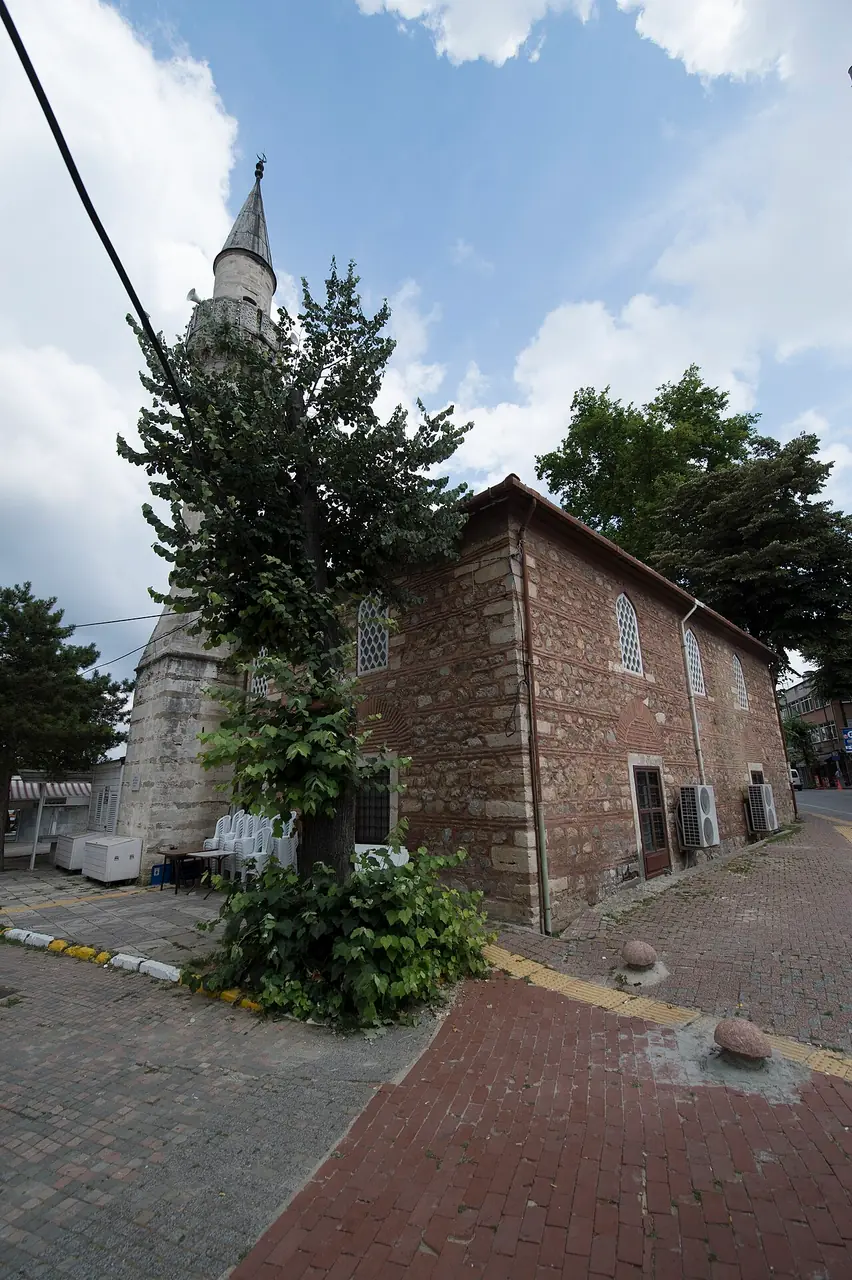
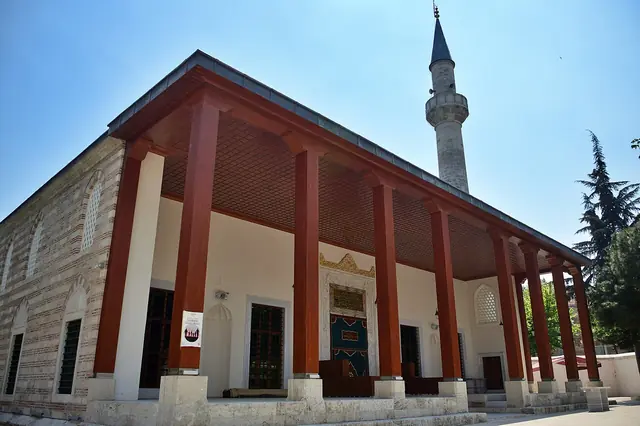
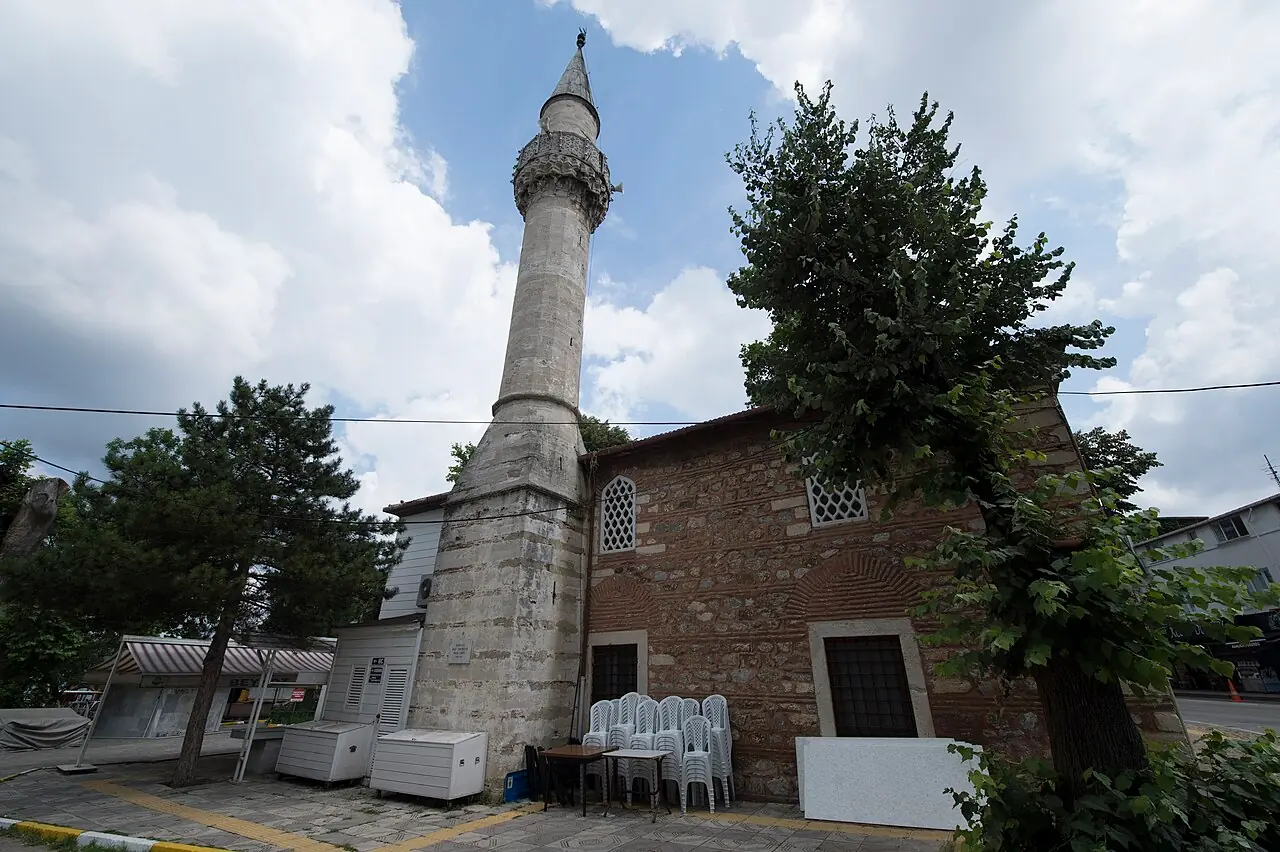
The İskender Pasha Mosque was built in 1559–60 by the landing of Kanlıca, a Bosphorus village on the Asian side of Istanbul (Beykoz district), by order of Gazi İskender Pasha, a statesman under Suleiman I and Selim II. It was designed by Mimar Sinan. The mosque was the core of a small külliye. In 1925 the Üsküdar–Beykoz road took the hamam (already ruined by a fire in 1917), the enclosure wall with its three gates, the imam's house, the imaret and the cemetery; only the mosque and the türbe survive. The fabric has been extensively rebuilt: the portico on wooden posts was boarded in and given an inner upper floor.
Architecture
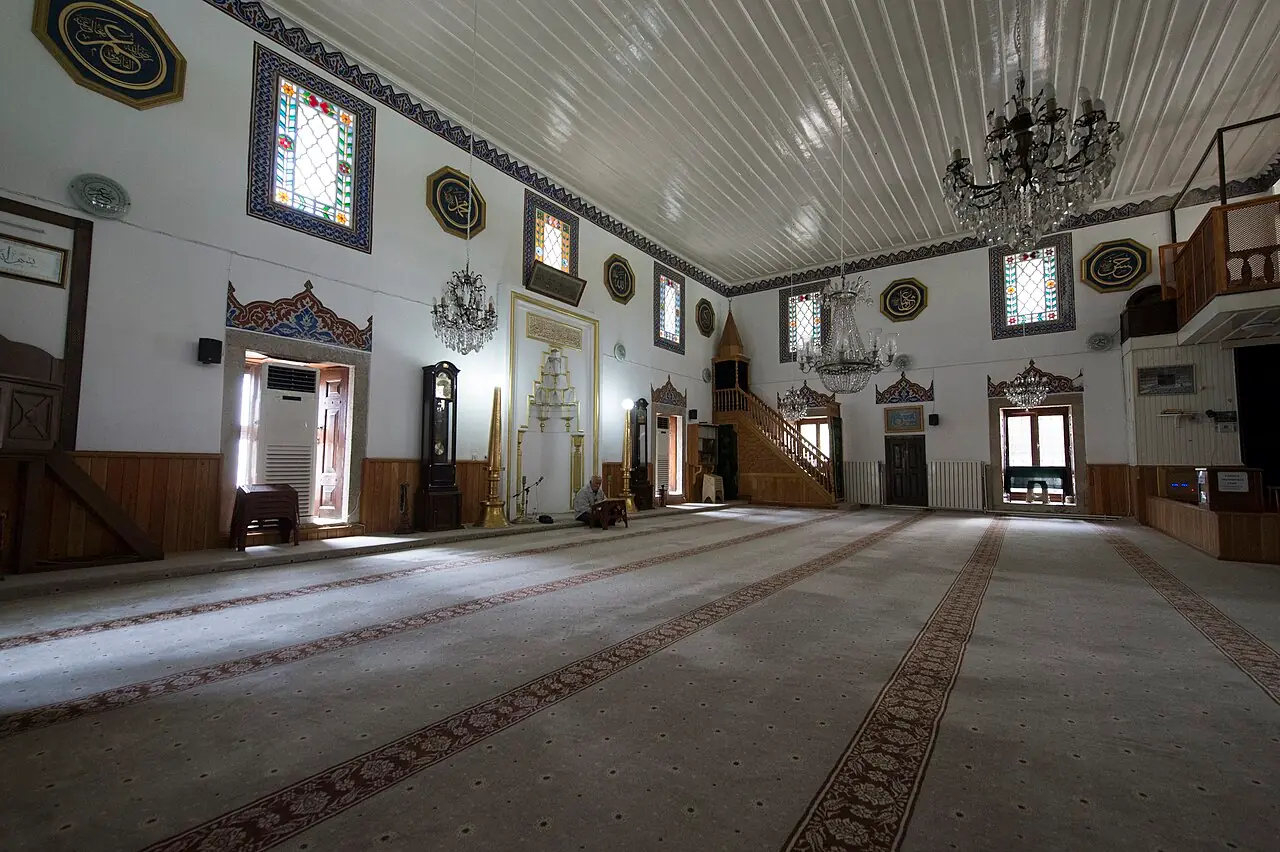
The prayer hall is a simple rectangle of 11.25 × 15.7 m under a flat timber ceiling and a tiled roof. A single minaret stands at the northwest corner. The mosque stands right at the water's edge, as Sokollu Mehmed Pasha at Azapkapı (1577–78) and Şemsi Pasha at Üsküdar (1580) later would. The patron's türbe stands to the north of the mosque.
In Sinan's evolution
1559–60, shortly after the completion of the Süleymaniye. An important 'counter-piece' to the imperial monumentality of the same years — shows Sinan's adaptability to minor scale and waterfront context.
Sinan Tree →Photographs